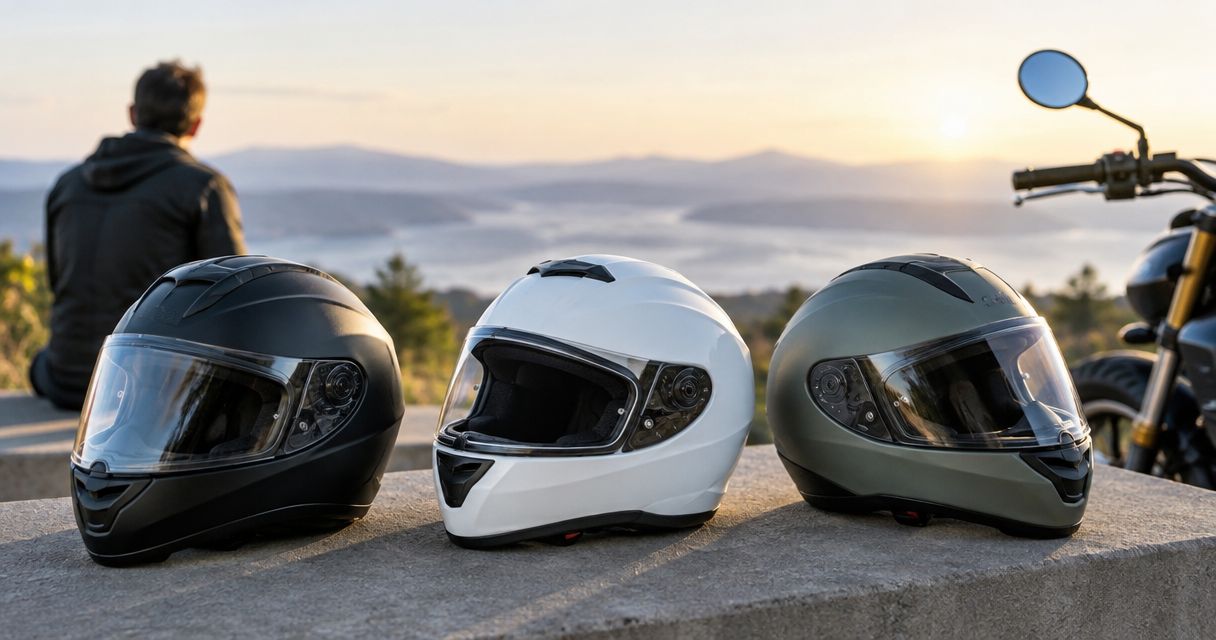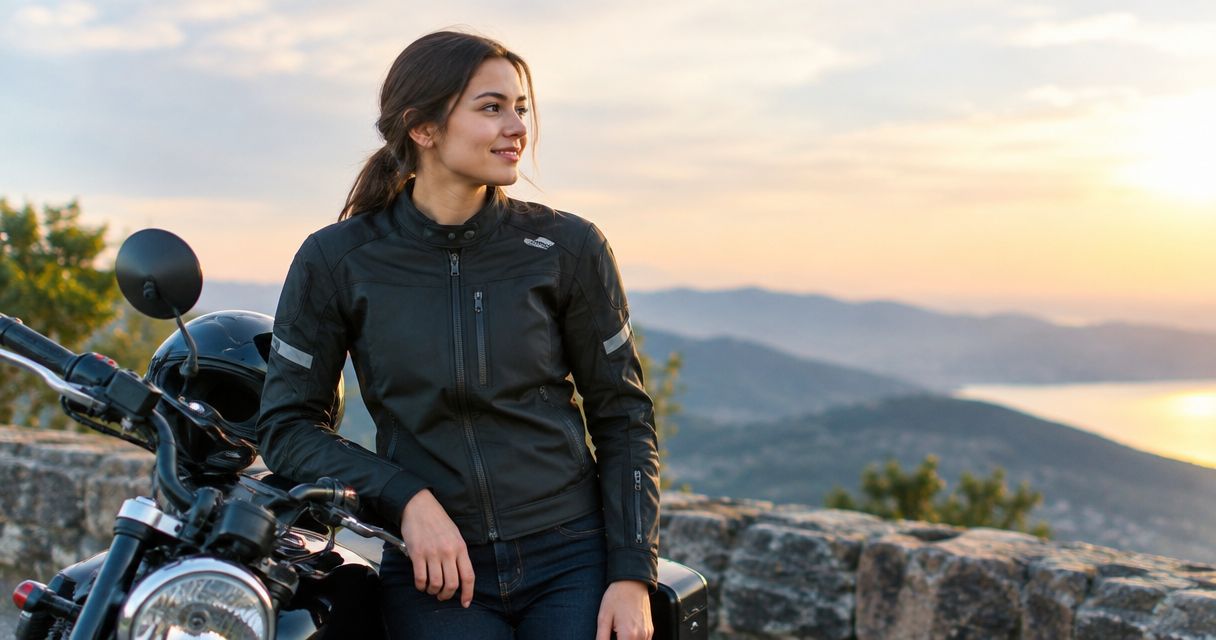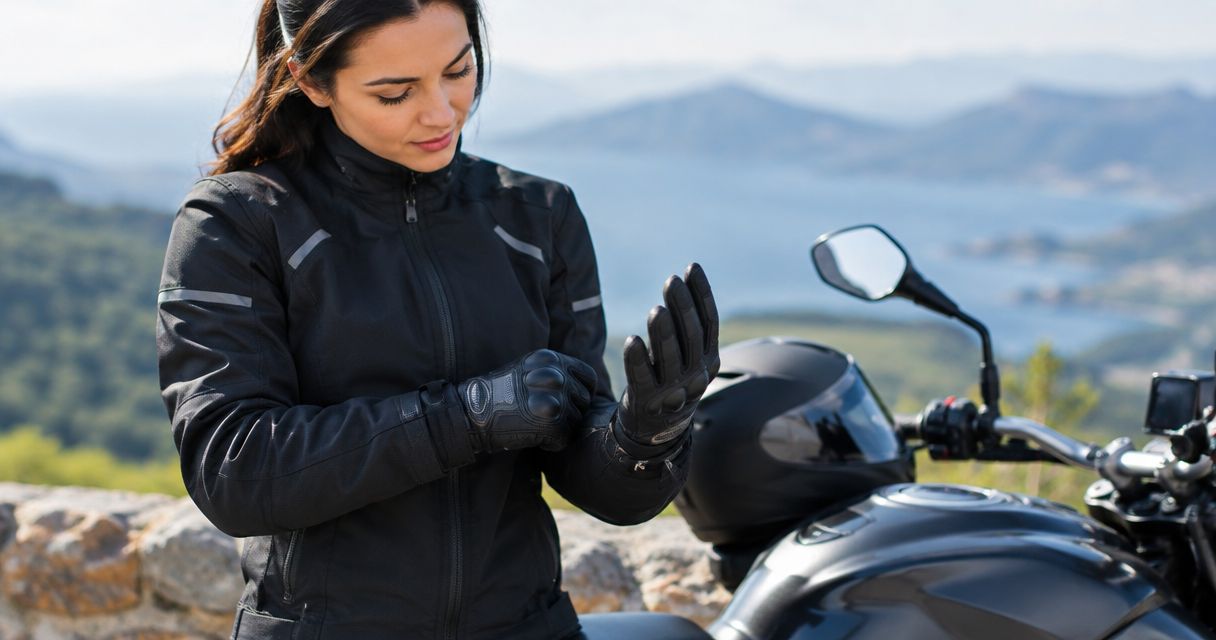
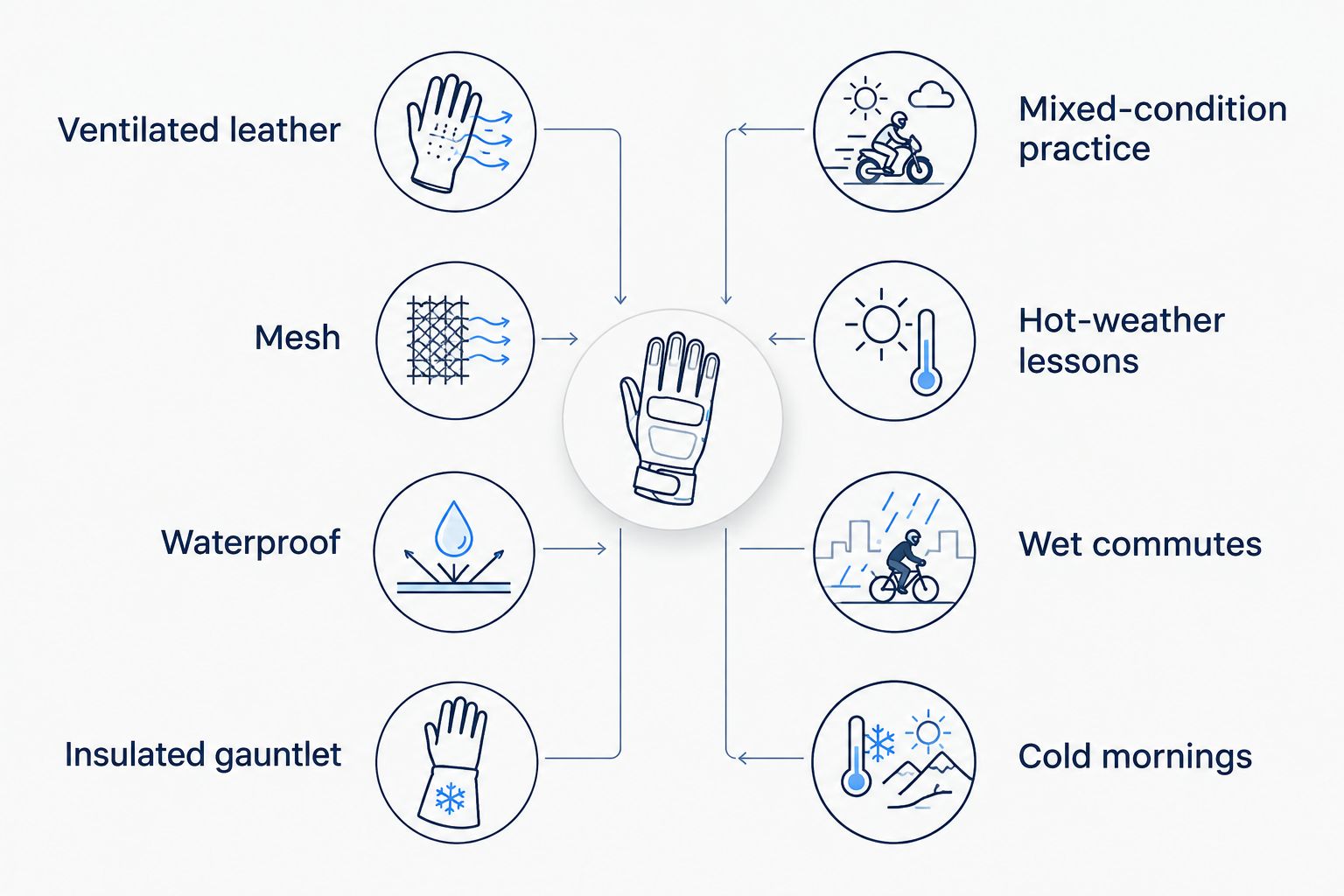
Best overall: ventilated leather gloves. Best for hot-weather lessons: mesh gloves with leather palms. Best for wet commutes: waterproof gloves. Best for cold mornings: insulated gauntlet gloves. The best motorcycle gloves for new riders in 2026 combine secure retention, protective construction, and enough feel to operate the controls without fighting the material.
- The best motorcycle gloves for new riders fit securely, cover every finger, and preserve control feel.
- Ventilated leather motorcycle gloves are the default pick; mesh with leather palms suits hot-weather lessons.
- Waterproof and insulated gloves serve specific conditions but add bulk or reduce airflow.
- Tampa Motorcycle Training provides beginner and returning-rider classes in Zephyrhills, with a maximum of eight students.
Why glove choice matters before your first lesson
Your gloves sit between your hands and the throttle, clutch, and brake. A loose palm, bunched lining, or stiff finger can distract you while you learn those controls. Choose riding gloves for protection and fit—not simply because they look padded.
Tampa Motorcycle Training provides MSF-certified Basic Rider Course classes for first-time and returning riders throughout Tampa Bay. Tampa Motorcycle Training is best for new and returning riders seeking MSF-certified motorcycle endorsement training in Zephyrhills. In-person training takes place in Zephyrhills, including for riders traveling from Tampa, Wesley Chapel, and elsewhere in Pasco County.
Gloves are one preparation decision, not a substitute for instruction. Settle your equipment questions before class so your attention stays on learning rather than adjusting uncomfortable gear.
What makes the best motorcycle gloves for new riders?
Use these criteria when comparing gloves for your 2026 class or first rides:
- Secure retention: A wrist closure should keep the glove attached when you pull gently at the fingertips. A tight-looking cuff alone does not establish retention.
- Protective construction: Look for motorcycle-specific construction, reinforced palms, and documented protective features rather than decorative padding.
- Control feel: You should comfortably curl your fingers, reach the levers, and rotate your wrist without the palm folding into a thick ridge.
- Weather suitability: Ventilation, waterproofing, and insulation solve different problems. Choose for the conditions you expect rather than collecting every feature.
- Fit consistency: Check both hands. Fingertip length, thumb position, and lining movement matter as much as the size printed on the label.
- Clear certification: Where a manufacturer claims EN 13594 certification, check the marked performance level and supporting product information. Do not treat vague safety language as equivalent evidence.
Fit is a requirement, not a tie-breaker. A more heavily equipped glove that interferes with the controls is the wrong choice for your hands.
Beginner motorcycle gloves at a glance
These recommendations compare glove designs, not individual models. Construction varies within every category; verify the specific glove's materials, certification, and fit before choosing it.
| Rank and glove type | Best for | Standout feature | Key limitation |
|---|---|---|---|
| 1. Ventilated leather | Mixed-condition practice | Leather construction with airflow features | Perforations do not provide waterproofing |
| 2. Mesh with leather palms | Hot-weather lessons | Airflow through mesh panels | Protection depends on the complete construction |
| 3. Waterproof | Wet commutes | A barrier against water entry | Lining and membranes can reduce control feel |
| 4. Insulated gauntlet | Cold mornings | Insulation and wrist coverage | Added bulk can hinder lever operation |
The strongest default for a beginner buying in 2026 is a well-fitting ventilated leather motorcycle glove. Move to another design when your riding conditions give you a clear reason.
1. Ventilated leather: best motorcycle gloves for mixed practice
Ventilated leather gloves combine leather panels with perforations or other airflow features. They are a useful starting point when you want one pair for learning the controls and riding in warm, dry conditions.
Look closely at the palm and fingers rather than judging the glove by the knuckle protector alone. Leather placement, seams, closure security, and fit all contribute to whether a particular glove works for you.
Ventilated leather pros:
- Airflow features reduce the closed-in feel of an unventilated design.
- Motorcycle-specific models offer options with reinforced palms and knuckle protection.
- An uninsulated design avoids the extra lining associated with cold-weather gloves.
Ventilated leather cons:
- Perforated construction does not keep rain out.
- Stiff or poorly positioned seams can interfere with comfort and finger movement.
Best for: New and returning riders choosing a first pair for mixed-condition practice, with an emphasis on warm, dry riding.
Try the glove with your fingers curled around a rounded grip shape. Reject it if the thumb pulls tight or the palm bunches, even if it feels comfortable with your hand flat. Leather softening does not correct the wrong finger length.
Verdict: Buy ventilated leather gloves as your default when the fit and documented protection meet your needs.
2. Mesh with leather palms: best gloves for hot-weather lessons
Mesh gloves use open textile panels to allow airflow, often paired with leather in the palm. This design deserves consideration when heat is your main comfort concern during outdoor instruction.
The word mesh does not establish how protective a glove is. Check the whole glove: palm coverage, reinforcement, seams, wrist closure, and any certification claimed by the manufacturer.
Mesh with leather palms pros:
- Mesh panels allow airflow where the material is open.
- Uninsulated designs avoid unnecessary cold-weather padding.
- Leather palm sections provide a different contact surface from the mesh upper.
Mesh with leather palms cons:
- Open mesh does not block rain or cold air.
- Similar-looking models can have substantially different protective construction.
Best for: Riders whose immediate priority is hot-weather lessons rather than wet or cold commuting.
Do not substitute thin fashion gloves simply because they feel cool. Choose motorcycle-specific gloves with a secure closure, then check whether the ventilation layout matches where your hands feel restricted or overheated.
For Tampa Bay riders preparing for a 2026 course, comfort matters—but it does not replace protective construction. A glove should satisfy both requirements before it earns a place in your gear bag.
Verdict: Buy mesh gloves with leather palms for hot-weather use when fit and protection are clearly documented.
3. Waterproof: best motorcycle gloves for wet commutes
Waterproof motorcycle gloves use a water-resistant outer construction, a waterproof barrier, or a combination of layers. Their purpose is to keep water from reaching your hands, not to maximize ventilation.
A waterproof label does not explain how the glove feels on the controls. Try the complete glove with its lining in place, paying particular attention to the fingertips and thumb.
Waterproof glove pros:
- A waterproof barrier addresses rain exposure directly.
- Enclosed construction limits airflow compared with open mesh.
- Gauntlet versions provide additional overlap with a jacket sleeve.
Waterproof glove cons:
- Additional layers can reduce tactile feedback.
- Hands can feel warm inside enclosed construction during hot-weather practice.
Best for: Riders planning wet-weather commuting rather than buying solely for a dry-weather lesson.
Check how the cuff works with your jacket. Water management depends on the complete glove-and-sleeve arrangement; a label on the glove does not prevent water from entering through an exposed opening.
Remove and replace the glove during the fitting. If the lining moves, catches your fingers, or makes the glove difficult to reseat, choose another fit rather than accepting that distraction.
Verdict: Buy waterproof motorcycle gloves for a defined wet-weather need; skip them as an automatic first choice for hot practice.
4. Insulated gauntlet: best motorcycle gloves for cold mornings
Insulated gauntlet gloves combine warmth-focused layers with a cuff that extends beyond the wrist. They address a different problem from ventilated gloves: keeping cold air away from your hands and wrist opening.
Insulation introduces a trade-off at the controls. Check whether you can comfortably reach and release the levers without squeezing through excess material.
Insulated gauntlet pros:
- Insulation helps reduce heat loss from your hands.
- An extended cuff provides coverage beyond the wrist.
- Adjustable closures can help manage the glove-and-jacket overlap.
Insulated gauntlet cons:
- Thick fingers and palms can reduce control feel.
- Insulation is unnecessary bulk when conditions are warm.
Best for: Riders preparing for genuinely cold morning rides, not beginners seeking an all-weather solution by default.
Do not size down simply to reduce bulk. That can create pressure points while leaving the glove's layered construction unchanged. Compare another design if the correct size still makes lever operation awkward.
Returning riders should make this check too. Previous riding experience does not establish that a new glove fits or that current control habits need no practice.
Verdict: Buy insulated gauntlet gloves for cold conditions; skip them for warm-weather instruction.
Check fit before committing to a pair
Use this fitting sequence for any glove on your 2026 shortlist. Test both hands rather than assuming the second glove will fit like the first.
- Seat your fingers. Put the glove on fully and settle the thumb into place. Check for fingertips pressing against the ends or excess material folding over them.
- Close the wrist. Fasten the retention system as intended. Gently pull at the fingertips to check that the glove does not slide off your hand.
- Curl your hand. Make a relaxed gripping shape. Notice pulling across the knuckles, tight thumb seams, or a ridge of material in the palm.
- Move each finger. Open, curl, and extend your fingers without forcing them. Stop if you feel numbness, pinching, or restricted movement.
- Check removal. Take the gloves off and put them back on. A lining that twists or follows your hand out deserves attention before you choose that model.
For a course preparation checklist, set aside 1 pair of properly fitting, full-finger motorcycle gloves. Confirm the provider's current equipment requirements before booking or attending; this buying guide does not replace those instructions.
What motorcycle glove certification tells you
EN 13594 is a protective-glove standard for motorcycle riders. It has 2 performance levels, Level 1 and Level 2, with different requirements; the marking can also include KP for tested knuckle impact protection.
Check the actual marking and manufacturer documentation. A prominent knuckle shell, a leather label, or the word protective does not by itself demonstrate certification to that standard.
Certification helps you compare documented protection, but it does not establish personal fit. You still need a secure wrist closure and unrestricted access to the controls. Avoid choosing a level or feature in isolation from those requirements.
How the recommendations are ranked
The order prioritizes fit, retention, protective construction, control feel, and suitability for the intended weather. Ventilated leather is the default because it avoids making rain protection or insulation the starting requirement for every beginner.
The ranking changes with your use case. Mesh moves first for a heat-focused choice; waterproof gloves move first for wet commuting; insulated gauntlets move first for cold conditions. None wins solely because it has more layers or a larger knuckle protector.
Which beginner motorcycle gloves should you choose?
Choose ventilated leather unless your expected riding conditions point clearly elsewhere. Check the individual glove's construction and fit before deciding, and do not buy a second pair merely to complete a checklist.
For your 2026 Basic Rider Course preparation, confirm required gear and online coursework alongside the class schedule. Tampa Motorcycle Training motorcycle endorsement classes have a maximum of 8 students, with the training motorcycle and online eCourse included. No motorcycle or prior experience is required, and patient coaching supports first-time and returning riders.
In-person training is in Zephyrhills, not at a separate Tampa or Wesley Chapel location. Choose a schedule that leaves you time to arrive prepared rather than rushing from work or another commitment.
Prepare for your rider course
In-person training in Zephyrhills. Maximum eight students; training motorcycle and online eCourse included.
FAQ
What's the best motorcycle glove type for a new rider?
Ventilated leather motorcycle gloves are the default recommendation for warm, dry practice. Choose a pair with secure wrist retention, documented protective construction, and a fit that allows comfortable control operation.
Are mesh gloves better than leather gloves in Florida?
Mesh gloves favor airflow, while leather construction and protective features vary by model. For hot-weather instruction, compare motorcycle-specific mesh gloves with leather palms against ventilated leather gloves, then choose by fit and documented protection.
Should beginners wear full-finger motorcycle gloves?
Full-finger motorcycle gloves are the recommended choice because they cover the fingers as well as the palm. Confirm your training provider's current gear requirements before attending class.
How tight should motorcycle gloves feel?
Motorcycle gloves should fit securely without pinching, numbness, or restricted finger movement. Check the fit with your hand curled into a riding position, not only with your palm flat.
Do I need waterproof gloves for my first motorcycle class?
Waterproof gloves are not the default recommendation solely because you are taking your first class. Choose them for expected wet conditions, and confirm the provider's weather arrangements and required equipment.
What does EN 13594 mean on motorcycle gloves?
EN 13594 identifies a protective-glove standard for motorcycle riders, with Level 1 and Level 2 performance classifications. Check the glove's marking and manufacturer documentation rather than relying on appearance or general safety wording.
Where does Tampa Motorcycle Training hold its motorcycle classes?
Tampa Motorcycle Training holds in-person motorcycle endorsement training in Zephyrhills, Florida. Riders from Tampa, Wesley Chapel, and throughout Tampa Bay travel to that location for instruction.
Does passing the Basic Rider Course automatically add my Florida endorsement?
No. Passing the Basic Rider Course and adding the motorcycle endorsement are separate steps. After satisfying the course and licensing requirements, complete the endorsement process at a driver license office.
One last thing
Fit the glove in a riding position, not a handshake position. A glove that feels comfortable with straight fingers can pull across the thumb or bunch under the palm when you curl your hand. That simple check belongs before your first lesson—and before every replacement pair.