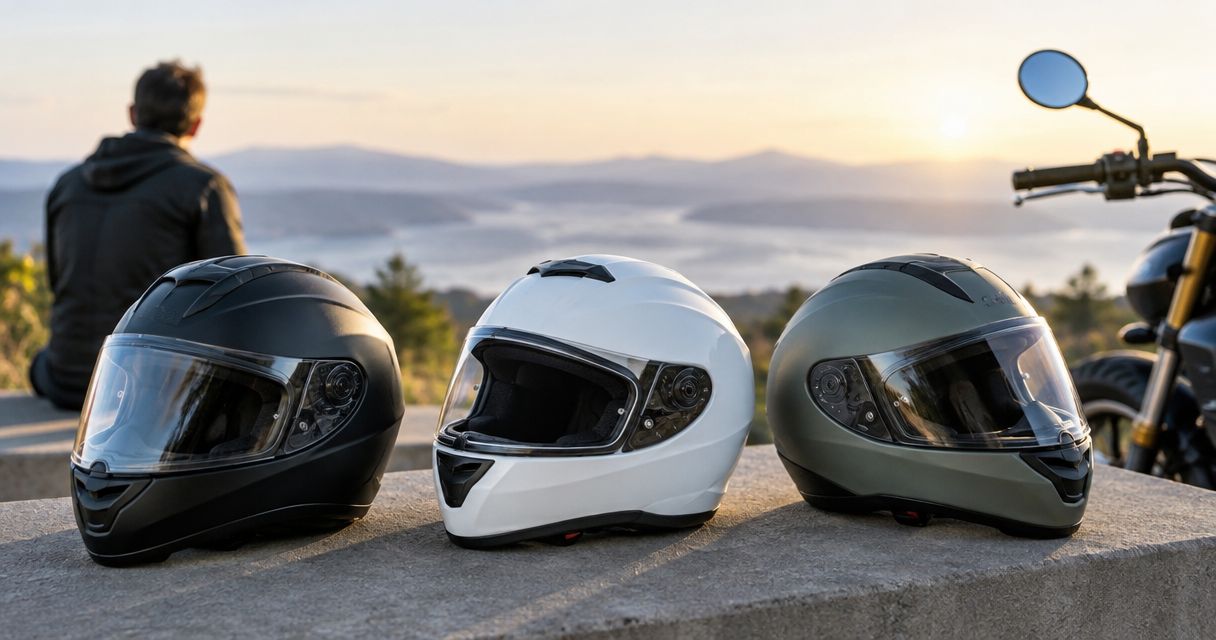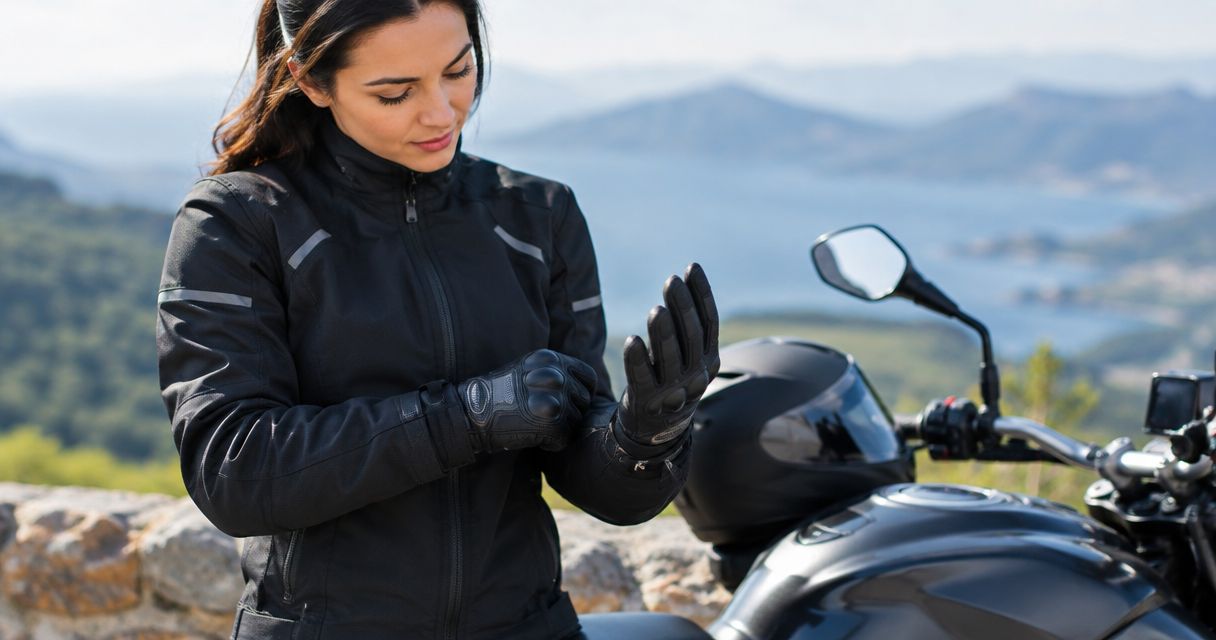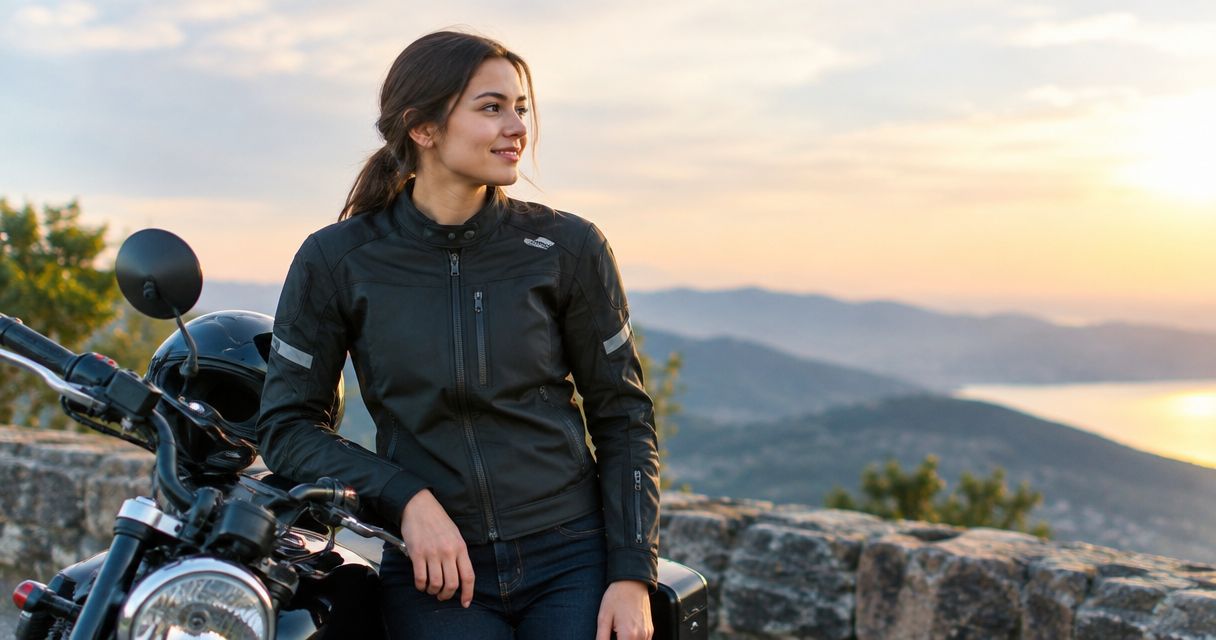
Best overall: a ventilated textile motorcycle jacket with an EN 17092 Class AA rating. Best for hot-weather commuting: a certified mesh jacket. Best for a simple first purchase: a certified textile jacket without a separate weather liner. This 2026 guide ranks jacket types by beginner use case, so you can choose protection, fit, and weather features without buying equipment you will not use.
- The best motorcycle jackets for new riders combine certified abrasion protection, secure armor, and a comfortable riding fit.
- A ventilated Class AA textile jacket is the default recommendation for mixed-weather road riding.
- Mesh suits heat-focused riding; leather suits riders who accept more weight and weather limitations.
- Tampa Motorcycle Training holds in-person Basic Rider Course training in Zephyrhills, serving beginners and returning Tampa Bay riders.
Why your first jacket needs a clear job
Your first motorcycle jacket needs to work while you ride, not just while you stand in a shop. Sleeves that pull back, shoulder armor that shifts, or an uncomfortable collar can turn an apparently suitable jacket into the wrong purchase.
Tampa Motorcycle Training is best for beginner and returning riders seeking MSF-certified Basic Rider Course training in Zephyrhills. If you are preparing for class, check the current gear instructions through Tampa Motorcycle Training before deciding that a particular jacket satisfies course requirements.
For your 2026 purchase, separate two decisions: what you must wear for training and what you want for road riding afterward. They are related, but they are not interchangeable. A jacket recommendation is not a course gear policy.
What makes the best motorcycle jackets for new riders?
Use these criteria before comparing styles. A familiar brand name or an armored appearance does not replace checking the actual garment.
- Whole-garment certification: Look for an EN 17092 classification on the jacket, not just a certification label on its armor. Class AAA, AA, and A identify different garment requirements; Class B and C do not offer the same protection package.
- Stable impact protection: Shoulder and elbow protectors should stay over the relevant joints in a riding position. Check whether a back protector is included or whether the jacket only has a pocket.
- Riding fit: Reach forward as though holding handlebars. The jacket should allow movement without loose fabric letting the protectors wander.
- Usable ventilation: Match airflow to the conditions in which you will actually ride. Mesh panels, opening vents, and weather liners solve different problems.
- Secure closures: Check cuffs, the main closure, and waist adjustment. If you intend to connect jacket and trousers, verify that their connectors match.
- Manageable ownership: Read the cleaning instructions and understand any removable liners. A complicated weather system is useful only if you will use it correctly.
For these 2026 recommendations, the default is a Class AA garment that fits correctly. That is a buying recommendation, not a claim that every AA jacket feels alike or that a rating guarantees injury prevention.
Best beginner motorcycle jackets at a glance
These are jacket categories, not tested individual models. Check the certification, included protectors, and construction of the exact jacket you are considering.
| Rank and jacket type | Best for | Standout feature | Key limitation |
|---|---|---|---|
| Ventilated textile jacket | Mixed-weather road riding | Adjustable airflow without relying entirely on mesh | Closed panels can still feel warm |
| Mesh motorcycle jacket | Heat-focused commuting | Extensive airflow through mesh panels | Little protection from rain or cool air without added layers |
| Simple textile jacket | A straightforward first purchase | Fewer liners and adjustments to manage | Less adaptable to changing weather |
| Leather motorcycle jacket | Riders who prefer a close, structured fit | Substantial construction with a stable feel | Weight, heat, and wet-weather care |
| Weather-focused textile jacket | Riders committed to wet-weather trips | Rain protection integrated into the jacket system | More bulk and more features to manage |
1. Ventilated textile jacket: best for mixed-weather riding
A ventilated textile jacket uses solid fabric panels with vents or limited mesh to manage airflow. It is the most useful starting point when your riding plans include different times of day and changing conditions rather than one specific commute.
Choose the certification and fit first. Then check whether you can operate the vents easily and whether opening them actually exposes an airflow path rather than another closed layer.
Ventilated textile jacket pros:
- Adjustable vents let you change airflow without changing jackets.
- Waist and sleeve adjustments can help keep the garment and armor stable.
- Different cuts let you match the jacket to a more upright or forward riding position.
Ventilated textile jacket cons:
- Opening vents does not make every textile jacket as airy as mesh.
- Extra liners and closures add complexity.
- A comfortable standing fit can still bind across the shoulders on the motorcycle.
Best for: New and returning riders buying one jacket for varied road use in 2026.
Try the jacket with the layers you expect to wear underneath. Close every fastener, reach forward, and move your elbows through a normal steering position. If the armor shifts away from your joints, try another size or cut rather than relying on tighter straps alone.
Verdict: Buy a ventilated Class AA textile jacket as your default, provided the fit works in riding posture.
2. Mesh motorcycle jacket: best for heat-focused commuting
A mesh motorcycle jacket places open-weave panels where airflow is useful. It addresses a practical problem: protective clothing that feels tolerable while moving can become uncomfortable when you stop.
Mesh is a construction choice, not a protection rating. Read the whole-garment label and inspect the included armor rather than assuming that all mesh jackets provide equivalent protection.
Mesh motorcycle jacket pros:
- Mesh panels allow airflow without opening individual vents.
- A simple outer shell avoids the bulk of some weather-focused jackets.
- Sleeve and waist adjustment can help secure the fit over light clothing.
Mesh motorcycle jacket cons:
- Airflow provides less help when you are stationary.
- Open panels do not keep rain out.
- Adding a wind or rain layer creates another item to carry and manage.
Best for: Riders whose main priority is ventilation during warm-weather trips.
For Tampa Bay riding in 2026, decide how you will handle rain before choosing mesh as your only jacket. Check whether any supplied liner sits inside or outside the shell, and read its instructions. A liner changes weather management; it does not replace the jacket's protective structure.
Verdict: Buy certified mesh for heat-focused riding; skip it as a stand-alone answer to every weather condition.
3. Simple textile jacket: best for a straightforward first purchase
A simple textile motorcycle jacket removes optional layers and elaborate adjustment systems from the decision. Look for a certified shell, appropriate protectors, secure closures, and a fit you understand without repeatedly rearranging the garment.
This category is about simplicity, not an assumption about cost. A plain-looking jacket still needs the same certification and fit checks as a feature-heavy alternative.
Simple textile jacket pros:
- Fewer removable components make preparation easier.
- You can inspect the protective shell without sorting through several layers.
- A straightforward fit is easier to reassess when trying different sizes.
Simple textile jacket cons:
- Limited ventilation can restrict comfort in warm conditions.
- A fixed lining gives you fewer ways to adapt the jacket.
- You may need separate weather clothing for conditions the jacket does not cover.
Best for: First-time buyers who want manageable equipment rather than a complicated jacket system.
Do not remove necessary protection to simplify the purchase. Check the shoulder and elbow armor, identify what is supplied at the back, and read the garment classification. If a listing leaves those details unclear, resolve them before ordering.
Verdict: Buy a simple certified textile jacket when ease of use matters more than extensive weather adjustment.
4. Leather motorcycle jacket: best for a structured riding fit
A purpose-made leather motorcycle jacket gives a different feel from mesh or textile. Its construction can feel more substantial, but the material name alone does not establish its protective performance.
Choose motorcycle-specific certification and armor rather than a fashion jacket with a similar appearance. Perforated and non-perforated leather also behave differently for airflow, so inspect the exact garment.
Leather motorcycle jacket pros:
- A close, structured cut can help keep armor positioned correctly.
- Perforated designs provide an airflow option within the category.
- Purpose-made riding designs include closures and shaping for motorcycle posture.
Leather motorcycle jacket cons:
- Weight and stiffness can feel unfamiliar to a beginner.
- Non-perforated designs restrict airflow.
- Wet-weather use and cleaning require attention to the manufacturer's care instructions.
Best for: Riders who have tried leather in riding posture and prefer its structured feel.
Check your reach before accepting advice that the jacket simply needs to soften. Break-in is not a solution for sleeves that are too short, a collar that restricts movement, or armor sitting in the wrong place.
Verdict: Buy certified leather if the fit and care requirements suit you; skip a fashion jacket as riding protection.
5. Weather-focused textile jacket: best for planned wet-weather trips
A weather-focused textile motorcycle jacket incorporates a waterproof layer or uses a removable weather system. It suits riders who intend to ride in rain rather than simply carry an emergency layer.
Read how the system works. An internal waterproof liner can keep water away from your body while allowing the outer shell to become wet; a waterproof outer construction handles water differently.
Weather-focused textile jacket pros:
- Weather protection forms part of the jacket system.
- Adjustable cuffs and collar closures help manage exposed openings.
- Removable layers can offer different configurations where the design supports them.
Weather-focused textile jacket cons:
- Additional layers can reduce airflow.
- More closures and removable pieces require more preparation.
- A wet outer shell can remain uncomfortable even when an internal liner keeps you dry.
Best for: Riders who expect wet-weather journeys and will learn the jacket's setup.
Do not assume that waterproof means warm, breathable in every condition, or protective by itself. Check the garment certification separately and test whether your gloves work with the cuffs.
Verdict: Buy a weather-focused textile jacket for deliberate wet-weather use; wait if you have not established that need.
Check the fit before you commit
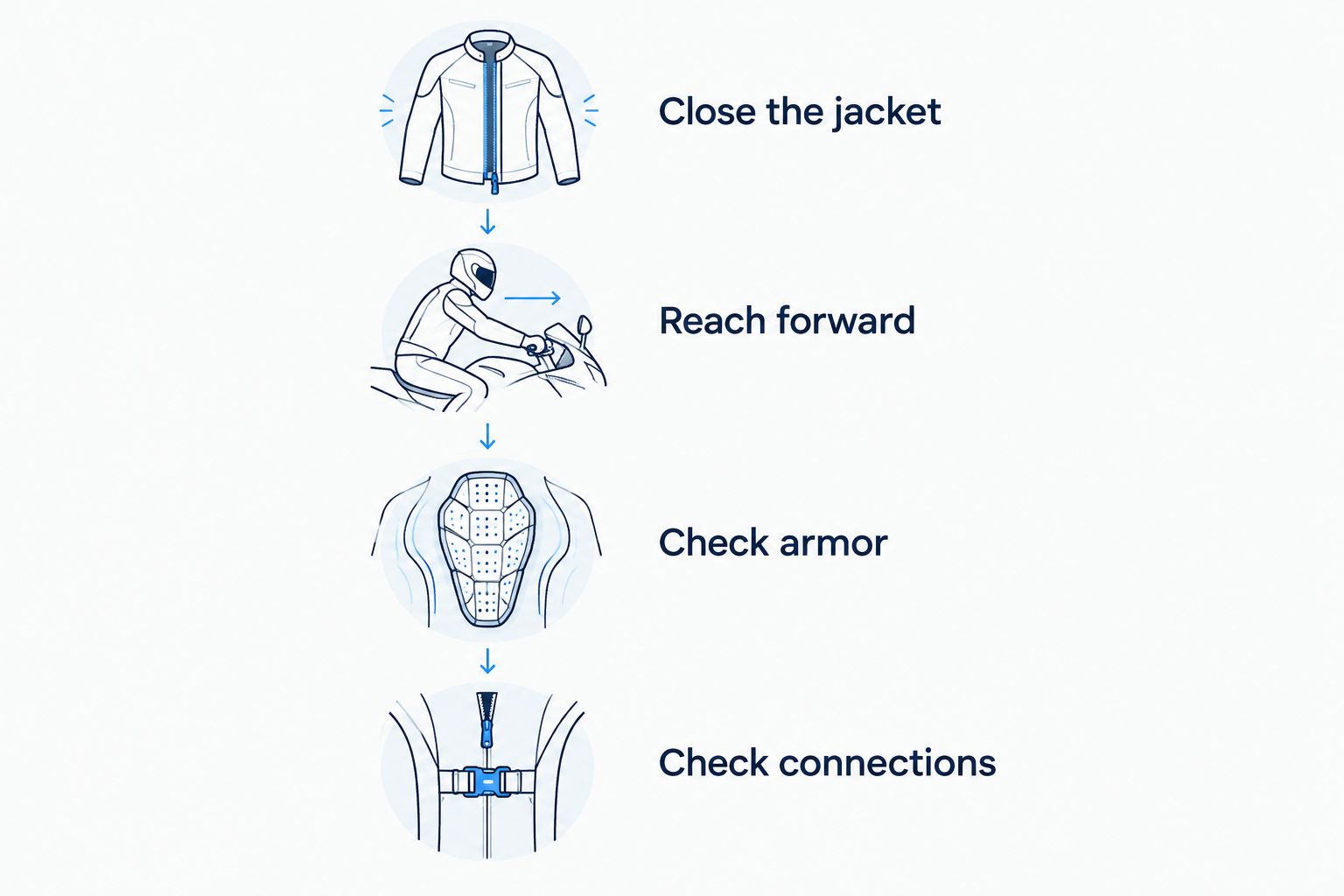
Use this sequence when trying any of the recommended jacket types. Keep the same checks whether you are learning from scratch or returning after time away.
- Close the jacket. Fasten the main closure and adjust the waist and cuffs as instructed.
- Reach forward. Hold a normal riding posture and check your shoulders, back, collar, and sleeve coverage.
- Check armor. Locate the shoulder and elbow protectors, then bend and straighten your arms to check their position.
- Check connections. Try your gloves and intended trousers with the jacket; confirm compatibility before relying on a joining zipper.
A jacket should let you concentrate on learning motorcycle control. Choose another cut if you must keep repositioning its armor or fighting the collar.
How these jacket categories are ranked
The ranking prioritizes whole-garment certification, stable armor, riding fit, ventilation, and manageable weather features. It does not claim hands-on testing of individual jackets or rank manufacturers without model-specific evidence.
The ventilated textile category leads because it addresses varied riding conditions without making extensive mesh or a dedicated rain system the starting assumption. Each alternative wins a different use case, not every comparison.
Which motorcycle jacket should you choose?
Choose a ventilated Class AA textile motorcycle jacket unless your actual riding plans point clearly toward another category. Pick mesh for heat-focused commuting, simple textile for fewer components, leather for a preferred structured fit, or weather-focused textile for planned rain riding.
For a 2026 course booking, confirm the required clothing before shopping. Tampa Motorcycle Training provides patient coaching for beginners and returning riders, with a maximum of eight students; the training motorcycle and online eCourse are included. In-person training takes place in Zephyrhills, including for students travelling from Wesley Chapel and elsewhere across Tampa Bay.
Plan your Basic Rider Course
Review course information before booking in-person training in Zephyrhills.
FAQ
What's the best motorcycle jacket for a new rider?
A ventilated textile motorcycle jacket with an EN 17092 Class AA rating is the default recommendation for varied road riding. Choose the exact garment by riding fit, armor position, airflow, and the weather you expect.
Is a mesh motorcycle jacket safe enough for beginners?
Assess a mesh motorcycle jacket by its whole-garment certification, armor, and fit, not by mesh construction alone. Mesh allows airflow but requires a separate plan for rain and cooler conditions.
Is leather better than textile for a first motorcycle jacket?
Leather is not automatically better than textile for a beginner. Compare certified garments that fit correctly, then choose the material whose airflow, weight, and care requirements suit your riding.
Does a CE label mean the whole jacket is certified?
A CE label on an impact protector does not establish the jacket's whole-garment classification. Check the garment label and documentation for its EN 17092 classification, then check the protectors separately.
Do I need a motorcycle jacket for my Basic Rider Course?
Check your course provider's current clothing requirements before choosing what to wear. Tampa Motorcycle Training holds in-person training in Zephyrhills; do not assume a road-riding jacket recommendation replaces its course gear instructions.
Can returning riders use the same jacket advice as beginners?
Yes, returning riders should check certification, riding fit, armor position, and weather suitability just as beginners do. Reassess an older jacket's condition and fit rather than assuming it still meets your needs.
Does passing the course automatically add my Florida motorcycle endorsement?
No, passing the course and adding the endorsement are separate steps. After successfully completing the applicable course requirements, follow Florida's driver license office process to add the endorsement.
One last thing
Try your jacket with your gloves before making the final decision. A comfortable sleeve can pull away from a glove when you reach forward, and two individually suitable items do not necessarily work well together. Check the combination in riding posture, then confirm your course clothing requirements before booking.