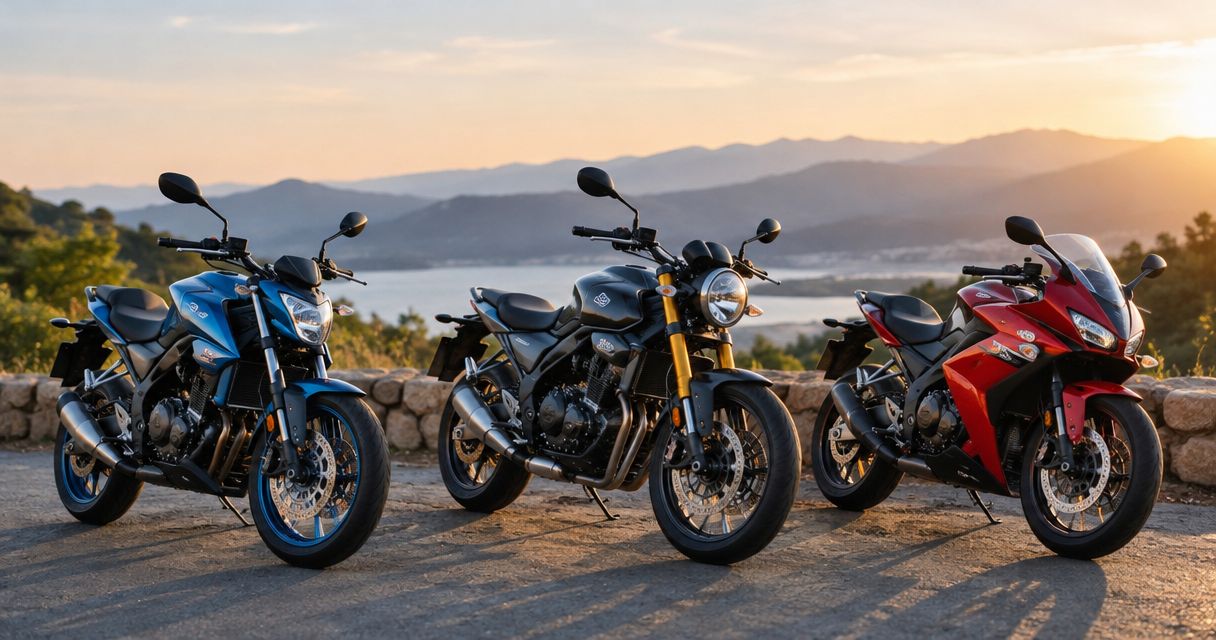
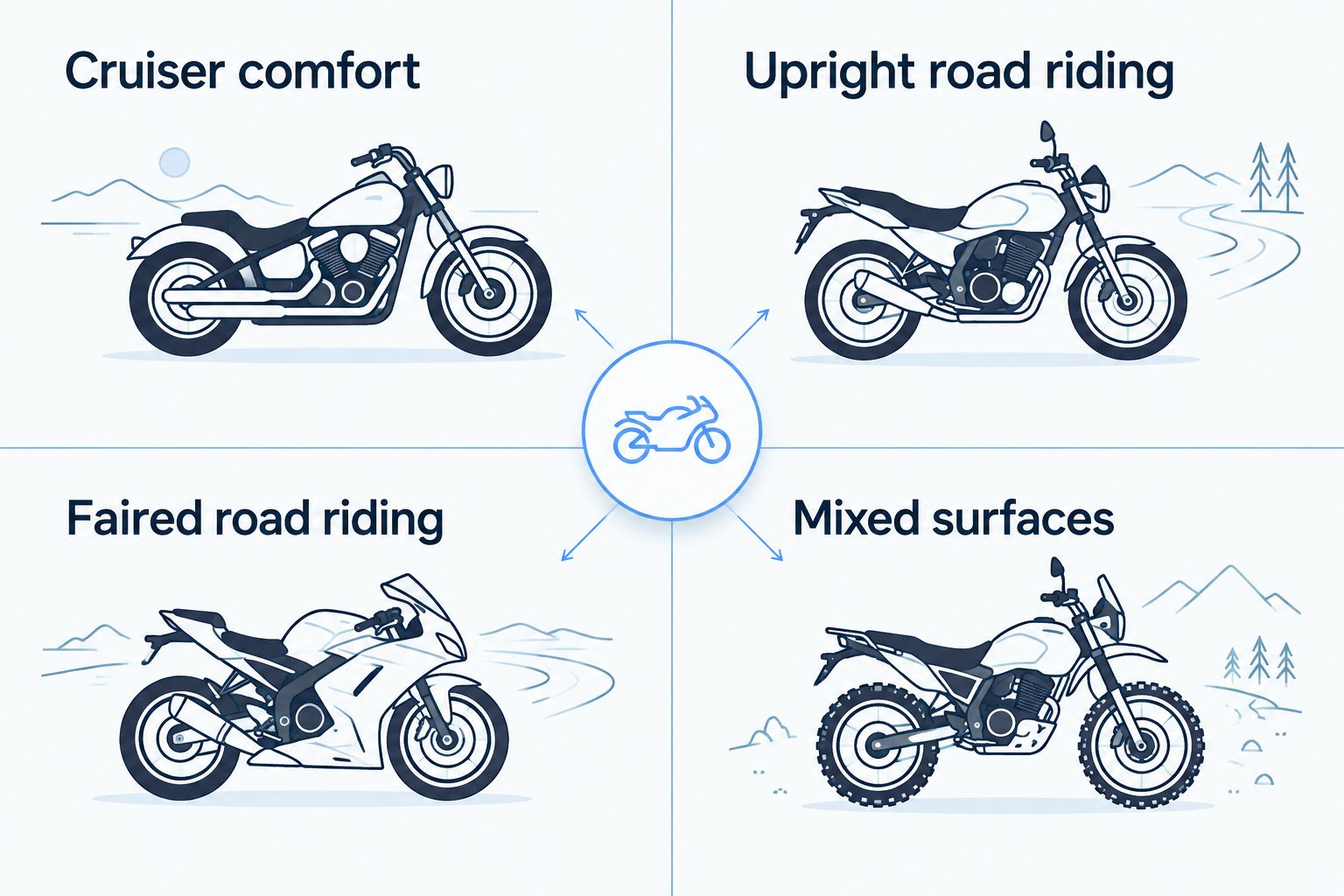
Best overall: Honda Rebel 300. Best upright road bike: Yamaha MT-03. Best faired option: Kawasaki Ninja 500. Best for mixed surfaces: Kawasaki KLX230. This 2026 guide compares the best beginner motorcycles for new riders by fit, control and intended use—not appearance alone.
- The best beginner motorcycles for new riders match your reach, control skills and intended riding—not just engine size.
- Honda Rebel 300 is the default recommendation for riders who prefer a low-seat cruiser.
- Yamaha MT-03 suits upright road riding; Kawasaki Ninja 500 suits riders who want a faired motorcycle.
- Kawasaki KLX230 suits mixed surfaces, but its tall layout requires a careful fit check.
- Tampa Motorcycle Training provides beginner and returning-rider training in Zephyrhills before you commit to your own motorcycle.
Why this matters
Your first motorcycle needs to work during awkward moments: backing out of a parking space, stopping on uneven pavement and making a tight turn. A motorcycle that feels manageable while parked still needs to feel manageable with the engine running.
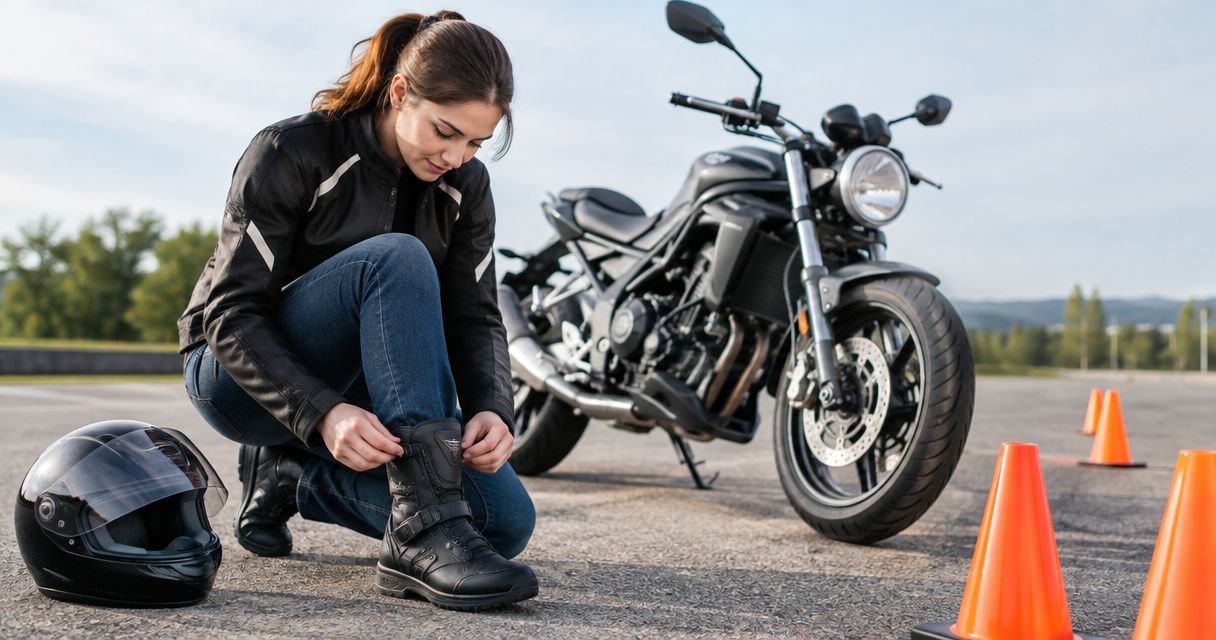
Learn the controls before choosing the motorcycle. Tampa Motorcycle Training provides MSF-certified Basic Rider Course training in Zephyrhills, with a training motorcycle and online eCourse included. You do not need your own motorcycle or previous riding experience.
That matters for returning riders, too. Familiarity with motorcycles does not establish your current braking, clutch or low-speed control skills. Use training to assess those skills before deciding what to buy.
What makes the best beginner motorcycle?
Use these criteria to judge every motorcycle on your shortlist:
- Reach and balance: You need a stable stop position and comfortable access to the handlebars, clutch and brake controls.
- Low-speed control: The motorcycle should let you practice smooth starts, deliberate stops and tight turns without fighting its layout.
- Riding purpose: Choose for the roads and surfaces you actually intend to ride, not an imagined future trip.
- Physical manageability: Check how the motorcycle feels when lifting it off its stand and moving it with the engine off.
- Braking equipment: Check the exact motorcycle for ABS. Do not assume every version of a model includes it.
- Ownership condition: On a used motorcycle, tire condition, maintenance history and modifications matter alongside the model name.
Engine displacement helps describe a motorcycle, but it does not settle the decision. Seat shape, throttle response, riding position and your reach all affect whether a particular motorcycle works for you.
Beginner motorcycles at a glance
These 2026 recommendations identify model families to investigate, not a claim that every model year or trim has identical equipment. Check the exact motorcycle's specifications before committing.
| Motorcycle | Best for | Standout feature | Key limitation |
|---|---|---|---|
| Honda Rebel 300 | Cruiser comfort | Low-seat cruiser layout | Relaxed ergonomics will not suit every rider |
| Yamaha MT-03 | Upright road riding | Upright riding position and twin-cylinder engine | Limited wind protection |
| Kawasaki Ninja 500 | Faired road riding | Fairing and road-focused parallel-twin engine | Bodywork adds another concern after a drop |
| Kawasaki KLX230 | Mixed surfaces | Dual-sport layout | Tall seating position needs careful assessment |
The distinction is purpose, not status. A cruiser, upright road bike, faired road bike and dual-sport solve different riding needs; none is automatically the next step above another.
1. Honda Rebel 300: best beginner motorcycle for cruiser comfort
The Honda Rebel 300 is the default pick if you want a low-seat cruiser for road riding. Its 286 cc single-cylinder engine and low seating position make it a clear starting point for riders who prefer cruiser ergonomics.
The seat is listed at 27.2 inches, but seat height alone cannot establish fit. Seat width, your leg reach and your ability to operate the controls still need an in-person check.
Honda Rebel 300 pros:
- Low seating position gives riders a useful starting point when assessing ground reach.
- Cruiser layout offers a different fit from the upright and faired motorcycles in this guide.
- The single-cylinder engine keeps the motorcycle's mechanical layout straightforward.
Honda Rebel 300 cons:
- The cruiser riding position does not suit every rider's hips, knees or preferred foot placement.
- Limited wind protection leaves you exposed on faster roads.
Best for: First-time or returning riders who want a low-seat road motorcycle and prefer cruiser ergonomics.
Before choosing a Honda Rebel 300 in 2026, sit on it long enough to notice discomfort rather than just whether your feet reach. Check the rear brake and shift lever positions while keeping your hands comfortably on the bars.
Verdict: Buy the Honda Rebel 300 if cruiser fit works for you; skip it if the riding position feels restrictive.
2. Yamaha MT-03: best beginner motorcycle for upright road riding
The Yamaha MT-03 is the upright road-bike choice. Its 321 cc parallel-twin engine and exposed, unfaired layout suit riders who want a conventional road motorcycle without choosing a cruiser or dual-sport.
Choose the Yamaha MT-03 for its riding position, not because an upright motorcycle removes the need for careful throttle control. You still need deliberate clutch, braking and steering practice.
Yamaha MT-03 pros:
- Upright riding position gives you an alternative to cruiser ergonomics.
- The parallel-twin engine provides a different engine character from the single-cylinder choices here.
- An unfaired layout leaves less enclosing bodywork around the engine than a faired road bike.
Yamaha MT-03 cons:
- Limited wind protection becomes a consideration for sustained faster-road riding.
- A comfortable seated position does not prove you can manage its weight during parking maneuvers.
Best for: Riders who expect to stay on pavement and prefer an upright road-bike layout.
For a 2026 shortlist, compare the Yamaha MT-03 directly with the Honda Rebel 300 while seated on both. Notice where your feet land, how far your arms reach and whether either layout makes the controls awkward.
Verdict: Buy the Yamaha MT-03 for upright pavement riding; skip it if you need a dual-sport or substantial wind protection.
3. Kawasaki Ninja 500: best beginner motorcycle for faired road riding
The Kawasaki Ninja 500 is the faired road-bike recommendation. Its 451 cc parallel-twin engine distinguishes it from the smaller-displacement road motorcycles in this guide, but displacement alone does not determine beginner suitability.
The fairing is a practical distinction, not permission to ride faster. Assess the actual riding position and control reach rather than assuming every motorcycle with sport styling has the same ergonomics.
Kawasaki Ninja 500 pros:
- Fairing provides a wind barrier absent from the unfaired choices here.
- Road-focused layout suits riders who want a motorcycle specifically for pavement.
- Parallel-twin engine offers an alternative to the single-cylinder cruiser and dual-sport options.
Kawasaki Ninja 500 cons:
- Fairing panels add bodywork to inspect after a drop or on a used example.
- The engine does not compensate for weak clutch, braking or cornering skills.
Best for: Riders who want a faired pavement motorcycle and can manage its fit and controls comfortably.
Check whether the specific Kawasaki Ninja 500 has ABS rather than relying on the model name. On a used example, inspect panel alignment and mounting points alongside the normal mechanical checks; cosmetic appearance is not a substitute for condition.
Verdict: Buy the Kawasaki Ninja 500 if you want a faired road bike and its fit works; wait if styling is your only reason.
4. Kawasaki KLX230: best beginner motorcycle for mixed surfaces
The Kawasaki KLX230 is the dual-sport choice for riders whose plans include pavement and appropriate unpaved routes. Its 233 cc single-cylinder engine sits in a motorcycle designed around a different purpose from the road-only picks.
The upright, tall layout deserves particular attention. A motorcycle can fit your intended surfaces while still being difficult for you to balance at stops.
Kawasaki KLX230 pros:
- Dual-sport design suits a mix of paved and unpaved riding.
- Upright layout offers a distinct alternative to a cruiser or faired road motorcycle.
- Its intended use fits riders who genuinely need more than a pavement-only motorcycle.
Kawasaki KLX230 cons:
- Tall seating can complicate stops and parking for riders with limited ground reach.
- Minimal wind protection is a compromise for sustained road travel.
Best for: Riders planning mixed-surface riding who can confidently manage a tall motorcycle.
Check the exact Kawasaki KLX230 version before judging fit. Do not transfer a seat-height figure or equipment list from a different variant to the motorcycle in front of you.
Verdict: Buy the Kawasaki KLX230 for a genuine mixed-surface plan; skip it if tall-bike handling already feels uncertain.
How these motorcycles were ranked
The ranking prioritizes intended use, control reach, stop confidence, equipment and ownership condition. The Honda Rebel 300 leads as the default cruiser recommendation, while each alternative owns a different use case.
This is a fit-and-purpose buying guide, not a head-to-head road test or a measured reliability ranking. For your 2026 purchase, the condition and configuration of the actual motorcycle take priority over its position on this list.
Check the motorcycle before you commit
Use these checks with the seller's permission and appropriate assistance. Do not attempt an unfamiliar riding demonstration without the skills, authorization and protective equipment it requires.
- Reach the controls: Sit naturally and check the clutch, front brake, shift lever and rear brake without stretching or twisting.
- Establish a stop position: Work out how you will support the motorcycle securely. Do not force yourself into an unstable posture just to place both feet flat.
- Assess parking effort: Check whether you can lift it from the stand and move it safely with the engine off.
- Confirm equipment: Verify ABS, modifications and the correct model information for that particular motorcycle.
- Inspect condition: Review maintenance records and arrange a qualified inspection if you cannot assess the motorcycle yourself.
Avoid buying a poor fit because you expect confidence to fix it. Training develops skills; it does not change the distance between your hands and the levers.
Train before choosing your own motorcycle
Tampa Motorcycle Training is best for beginner and returning riders who need Basic Rider Course training in Zephyrhills. Classes have a maximum of eight students, with a training motorcycle and online eCourse included, plus patient coaching for people with no experience.
You can attend from Tampa, Wesley Chapel or elsewhere in Tampa Bay, but in-person training takes place in Zephyrhills. Plan that trip before selecting a course date.
Completing and passing the course is not the same as adding the motorcycle endorsement to your license. You must also complete the applicable driver license office step; course attendance does not guarantee a pass.
Plan your rider training
Train in Zephyrhills with a maximum of eight students. Training motorcycle and online eCourse included.
Which beginner motorcycle should you choose?
Start with the Honda Rebel 300 if you want a low-seat cruiser. Choose the Yamaha MT-03 for upright road riding, the Kawasaki Ninja 500 for a faired road bike, or the Kawasaki KLX230 for mixed surfaces.
For 2026, the next move is the same regardless of your favorite: complete training, assess your current skills and check the exact motorcycle in person. Do not buy a motorcycle you struggle to support or control just because it appears on a beginner list.
FAQ
What's the best beginner motorcycle for a new rider?
The Honda Rebel 300 is the default recommendation for a new rider who wants a low-seat cruiser. Choose the Yamaha MT-03, Kawasaki Ninja 500 or Kawasaki KLX230 instead when upright road riding, a fairing or mixed surfaces better match your needs.
Is a smaller engine always better for beginners?
No, engine size alone does not establish beginner suitability. Control reach, throttle response, balance, riding purpose and the condition of the actual motorcycle also matter.
Should I buy a motorcycle before taking the Basic Rider Course?
You do not need to buy a motorcycle before attending Tampa Motorcycle Training. The Basic Rider Course includes a training motorcycle and online eCourse, so you can learn before committing to your own bike.
Do I need to put both feet flat on the ground?
Both feet flat is not a universal requirement, but you need a stable way to support the motorcycle at stops. New riders should assess that position with appropriate assistance rather than accepting a motorcycle that feels unstable.
Should my first motorcycle have ABS?
Prioritize ABS when comparing otherwise suitable motorcycles. Check the exact motorcycle because equipment varies by model and version; ABS does not replace braking practice.
Is this list suitable for returning riders?
Yes, the fit and intended-use checks apply to returning riders as well as first-time riders. Assess your current skills rather than choosing a motorcycle based only on what you rode previously.
Where does the in-person rider training take place?
In-person training takes place in Zephyrhills, Florida. Riders from Tampa, Wesley Chapel and other Tampa Bay communities travel to that location.
Does passing the course automatically add my Florida endorsement?
No, passing the course does not automatically add the endorsement to your driver license. Complete the applicable driver license office process after meeting the course and licensing requirements.
One last thing
Before signing, ask yourself whether you can handle the motorcycle during an ordinary parking mistake—not just while sitting squarely on level ground. If that question exposes a fit problem, change the shortlist rather than explaining the problem away.