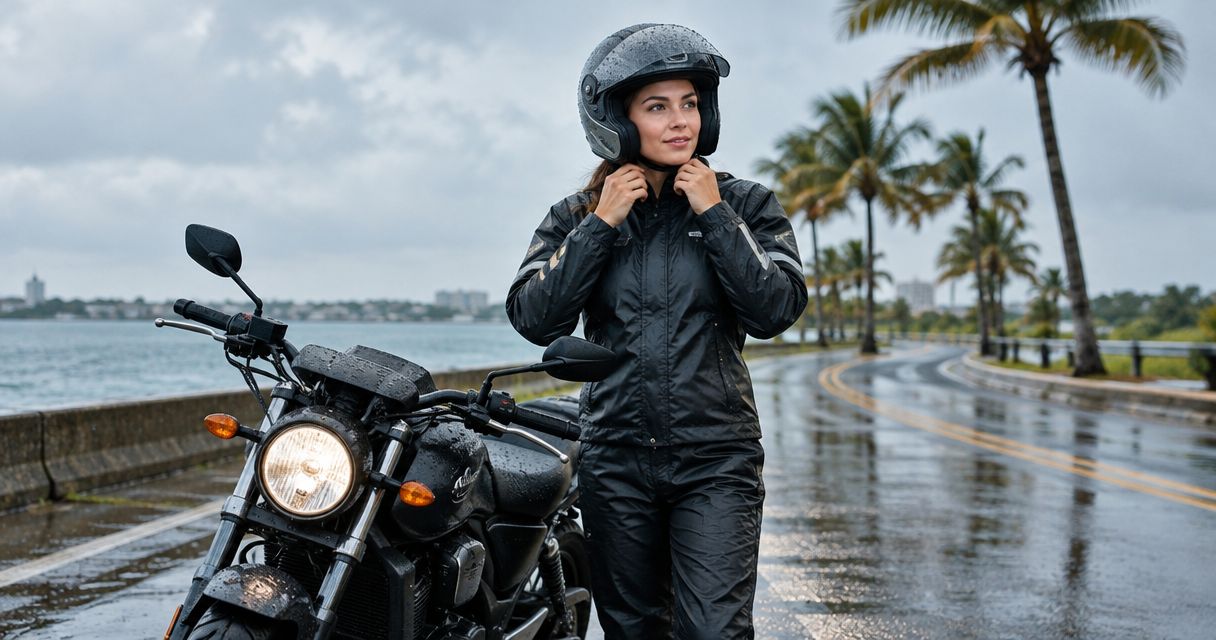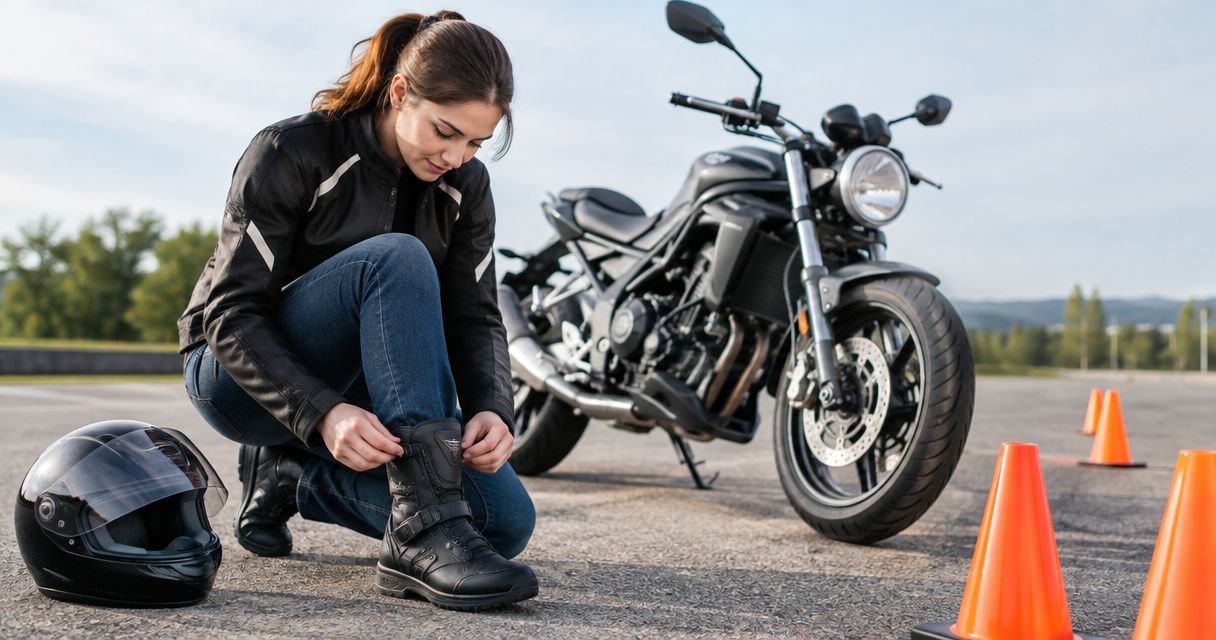
Best overall: ankle-height motorcycle road boots. Best for hot-weather lessons: ventilated motorcycle boots. Best existing-gear option to check before buying: sturdy over-the-ankle work boots, subject to your course provider’s approval. The best motorcycle boots for riding lessons in 2026 protect your feet without making it difficult to operate the controls or put a foot down.
- The best motorcycle boots for riding lessons balance ankle coverage, secure fit, traction, and easy control operation.
- Choose motorcycle-specific road boots as your default; choose ventilation or waterproofing around your riding plans.
- Ask Tampa Motorcycle Training about footwear requirements before buying; in-person training takes place in Zephyrhills.
- Existing work boots need approval; meeting a classroom requirement does not establish motorcycle-specific protection.
Why this matters
Your boots affect how easily you find the shift lever, use the rear brake, and support the motorcycle when stopped. A protective boot that fits poorly can make those movements harder. A comfortable everyday shoe can leave your ankles exposed.
For 2026 lessons with Tampa Motorcycle Training, plan for in-person training in Zephyrhills, whether you travel from Tampa, Wesley Chapel, or elsewhere in Tampa Bay. Classes have a maximum of eight students, with the training motorcycle and online eCourse included. No motorcycle or prior experience is required, and patient coaching supports beginners and returning riders.
Tampa Motorcycle Training is a fit for first-time and returning riders seeking a Basic Rider Course in Zephyrhills. Before buying footwear, confirm the course’s current requirements rather than treating this buying guide as an approval list.
What makes the best motorcycle boots for riding lessons?
Judge boots by what happens when you stand, walk, and move your foot between controls—not just how substantial they look.
- Ankle coverage: Choose a boot that covers your ankle bones. Coverage alone does not establish impact protection; check the boot’s construction and protective features.
- Secure fit: Your heel should stay seated without painful pressure. Your foot should not slide around inside the boot when you change direction.
- Control access: The toe must fit beneath a shift lever, and the sole must let you reposition your foot without catching.
- Stable footing: Look for a tread and heel shape that let you place your foot flat and move it predictably. A bulky sole deserves particular scrutiny.
- Protected closures: Zippers, buckles, and laces should stay secure. Tuck away loose lace ends so they cannot catch on motorcycle parts.
- Verified protection: Look for motorcycle-specific certification information, such as EN 13634, rather than relying on appearance or the word riding in a listing.
A CE mark alone does not explain every protective feature. Read the manufacturer’s information about the footwear standard, ankle protection, and intended use.
Best lesson boots at a glance
These are boot categories, not individual tested models. Choose the category that matches your lessons and intended riding, then assess the actual pair’s fit and certification.
| Rank and option | Best for | Standout feature to seek | Key limitation |
|---|---|---|---|
| 1. Ankle-height motorcycle road boots | A straightforward first lesson purchase | Motorcycle-specific protection in a manageable shape | Less lower-leg coverage than taller boots |
| 2. Ventilated motorcycle boots | Riders prioritizing airflow | Breathable panels or perforated construction | Ventilation is not waterproofing |
| 3. Waterproof motorcycle boots | Riders planning wet-weather commuting | A documented waterproof construction | Waterproofing does not establish impact protection |
| 4. Taller motorcycle touring boots | Riders planning longer road rides | Additional shaft coverage and secure closure | More coverage can mean more bulk |
| 5. Existing over-the-ankle work boots | Riders checking gear they already own | Familiar fit without an immediate new purchase | Course acceptance and motorcycle protection are separate questions |
1. Ankle-height motorcycle road boots: best for a first purchase
Ankle-height motorcycle road boots are the default starting point for your 2026 lesson gear shortlist. Look for a motorcycle-specific design with ankle coverage, a secure closure, and a toe shape that works with the controls.
Do not confuse ankle-height with low-cut. The boot should cover the ankle bones, and its protective features should be documented rather than assumed from padding.
Ankle-height motorcycle road boots pros:
- Offer a motorcycle-specific starting point for protection.
- Provide a useful balance between coverage and freedom of movement.
- Let you focus your search on road riding rather than specialized off-road equipment.
Ankle-height motorcycle road boots cons:
- Leave more of the lower leg exposed than taller boots.
- Vary substantially in protective construction despite similar appearances.
Best for: First-time riders and returning riders buying footwear primarily for road-riding lessons.
Try both boots on with the socks you intend to wear. Walk, bend your knees, and move your ankle through a comfortable range; reject a pair that creates pain or lets your heel lift excessively.
Verdict: Buy if the pair fits securely, has documented motorcycle protection, and meets your provider’s requirements.
2. Ventilated motorcycle boots: best for airflow
Ventilated motorcycle boots use breathable materials or perforations to allow airflow. For warm-weather lessons, that is a useful feature—but it belongs after fit, coverage, and protection on your checklist.
Ventilation describes construction, not a safety rating. A breathable riding shoe that leaves your ankle exposed is not a substitute for an appropriately protective boot.
Ventilated motorcycle boots pros:
- Offer airflow-focused construction for warm conditions.
- Are available in motorcycle-specific designs rather than only casual footwear.
- Let you prioritize comfort without abandoning ankle coverage.
Ventilated motorcycle boots cons:
- Open ventilation does not keep rain out.
- Airflow depends on construction and conditions; do not expect cooling while standing still.
Best for: Riders whose main concern is warm-weather comfort and who do not need the same pair for wet-weather commuting.
For a 2026 purchase, compare the current manufacturer’s specifications rather than assuming a familiar model name still describes the same construction. Check ankle protection and closures separately from ventilation.
Verdict: Buy for airflow-focused use when the actual pair also meets the protection and course checks.
3. Waterproof motorcycle boots: best for planned wet-weather commuting
Waterproof motorcycle boots make sense when your plans extend beyond lessons to commuting in wet conditions. Look for an explicit manufacturer statement about waterproof construction; water-resistant and waterproof are not interchangeable descriptions.
You still need a manageable toe shape and secure footing. A waterproof label tells you nothing by itself about how easily you can find the shift lever.
Waterproof motorcycle boots pros:
- Address a specific need for riders planning wet-weather use.
- Can serve both lesson preparation and later road riding.
- Keep weather protection within your footwear rather than relying solely on a separate cover.
Waterproof motorcycle boots cons:
- Waterproof construction does not establish crash protection.
- A waterproof boot can still feel hot or uncomfortable; assess the whole design.
Best for: Riders choosing lesson footwear with future wet-weather road use in mind.
Read the care instructions before purchase. Waterproof performance depends on the actual construction and its condition, not simply on the boot’s height or an outdoor-looking tread.
Verdict: Buy when wet-weather riding is part of your plan; otherwise, prioritize fit and protection over the waterproof label.
4. Taller motorcycle touring boots: best for longer road-riding plans
Taller motorcycle touring boots extend farther up the leg than ankle-height options. Their appeal is additional coverage for riders who expect to keep using the same footwear after the course.
Height alone does not establish protection. Check the documented features and try the boots with your riding trousers so the combination does not bunch, pinch, or interfere with closures.
Taller motorcycle touring boots pros:
- Provide more shaft coverage than ankle-height designs.
- Offer an option aligned with continued road riding.
- Can keep closures contained within an overlapping upper design.
Taller motorcycle touring boots cons:
- Extra material can make movement feel restricted.
- A tall shaft does not compensate for poor ankle fit or an awkward sole.
Best for: Riders already planning longer road rides after earning their endorsement.
Avoid buying the tallest or stiffest pair simply because it looks more protective. If you cannot comfortably position your foot for the controls, keep trying other shapes and sizes.
Verdict: Buy when the additional coverage fits your riding plans without obstructing basic movements.
5. Existing work boots: best for checking before buying
Existing over-the-ankle work boots deserve a requirements check before an automatic replacement. They do not deserve automatic approval: your provider must confirm whether the specific pair meets its course rules.
Workplace protection and motorcycle protection serve different purposes. A safety toe, heavy leather, or thick sole does not establish motorcycle-specific ankle support, abrasion performance, or suitability for operating the controls.
Existing work boots pros:
- Let you assess footwear you already know.
- Give the course provider a specific pair to evaluate.
- Avoid an unnecessary purchase if the provider accepts them and they function appropriately.
Existing work boots cons:
- Can have bulky toes, pronounced heels, or loose laces.
- Do not establish motorcycle-specific protection unless that protection is separately documented.
Best for: Riders checking an existing pair against course requirements before deciding what to buy.
Send a clear description or photos when asking about the boots. Show the ankle coverage, sole, heel, and closure; do not ask only whether work boots are allowed.
Verdict: Hold until the course provider confirms acceptance. Skip the pair if its fit, condition, or shape interferes with safe control use.
Check your boots before lesson day
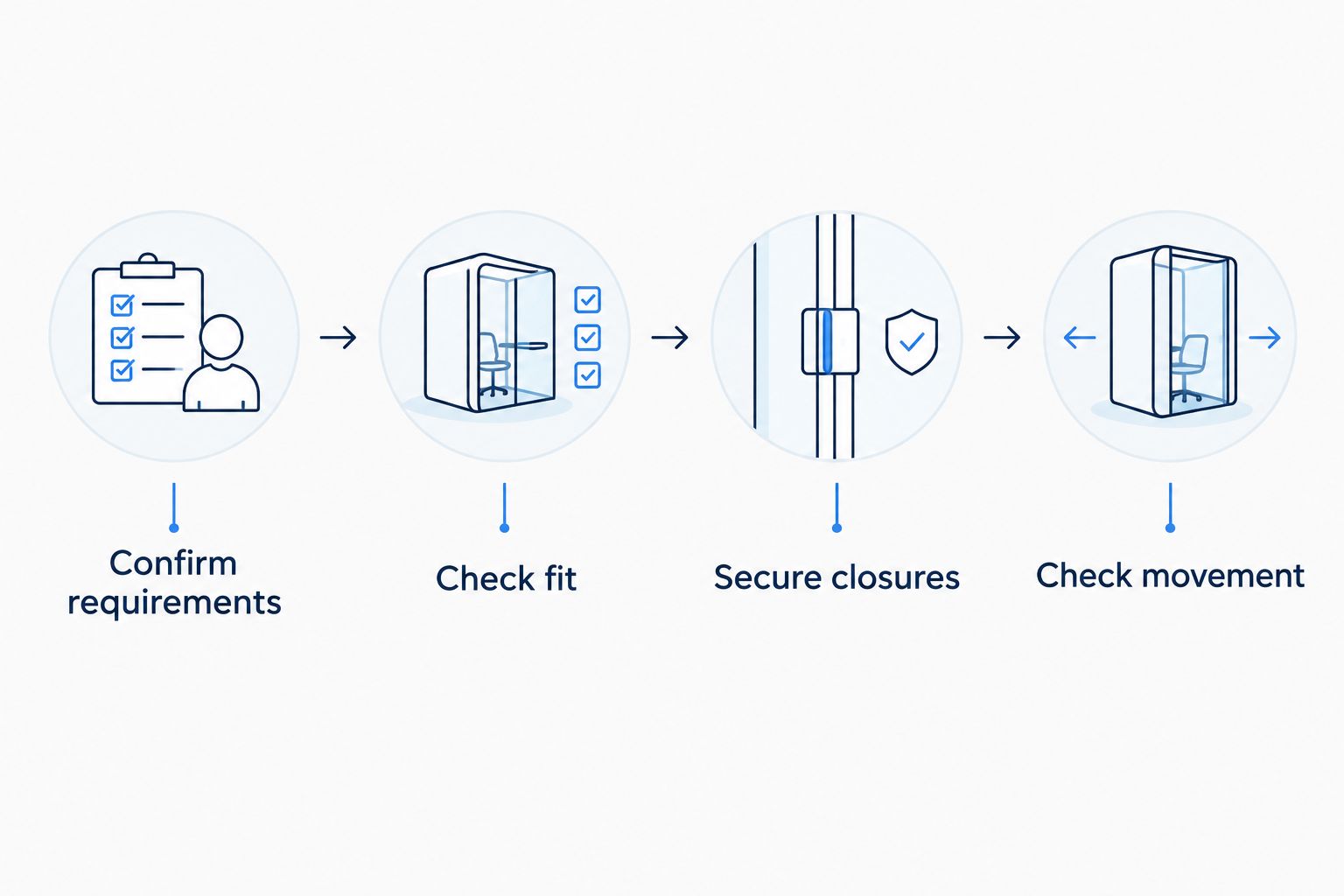
Use this sequence before committing to your 2026 lesson footwear. It works whether you are buying your first riding boots or returning with an older pair.
- Confirm requirements: Ask the course provider about the exact pair, including any uncertainty about height, heel shape, or closures.
- Check fit: Wear your intended socks. Walk and bend your knees; look for heel movement, pressure points, or numbness.
- Secure closures: Fasten the boots fully and contain lace ends. Check that closures stay closed during movement.
- Check movement: Confirm you can move your ankle comfortably. Ask your instructor to help assess control access on the training motorcycle before riding.
Do not perform a self-directed riding test to prove that unfamiliar boots work. Instructor guidance is the right place to resolve uncertainty about foot position and controls.
For Tampa Motorcycle Training, use the booking conversation to confirm footwear requirements and current class dates. In-person training is in Zephyrhills; there is no need to own a motorcycle or arrive with established riding skills.
Plan your Basic Rider Course
Check current dates and footwear requirements for in-person training in Zephyrhills.
How these boot categories are ranked
This 2026 ranking prioritizes motorcycle-specific protection, manageable control access, secure fit, and a clear use case. Ankle-height road boots take the default position because they address the lesson-focused buying decision without requiring a separate weather or touring need.
Ventilated, waterproof, and taller touring boots rank by those distinct needs—not by a claim that one construction is universally safer. Existing work boots remain a conditional option, not an equivalent substitute for documented motorcycle footwear.
Which motorcycle boots should you choose?
Choose motorcycle-specific ankle-height road boots if you want a clear starting point. Move to ventilation, waterproof construction, or taller coverage only when that feature matches how you intend to ride.
Keep course acceptance and long-term protection separate. A pair accepted for lessons is not automatically the best choice for every road-riding situation, and an expensive-looking pair is not automatically appropriate for learning.
FAQ
What's the best type of motorcycle boot for riding lessons?
Motorcycle-specific ankle-height road boots are the default starting point for lesson footwear. Choose a secure fit, documented protection, and a shape that lets you operate the controls, then confirm course acceptance.
Can I wear work boots to a motorcycle safety course?
Wear work boots only after your course provider confirms that the specific pair meets its requirements. A work-boot label or safety toe does not establish motorcycle-specific protection.
Are motorcycle riding shoes as good as boots for lessons?
The riding-shoe label alone does not establish suitability for lessons. Check ankle coverage, certification information, closures, fit, and your course provider's requirements rather than choosing by the product name.
Should I buy waterproof or ventilated motorcycle boots?
Choose waterproof construction for planned wet-weather riding and ventilation when airflow is your priority. Neither feature replaces secure fit, ankle coverage, or documented motorcycle protection.
Do I need to break in motorcycle boots before my class?
Check new boots before class rather than discovering fit problems on the training motorcycle. Follow the manufacturer's guidance, and do not rely on break-in to correct painful pressure, numbness, or excessive heel movement.
Where does Tampa Motorcycle Training hold in-person lessons?
Tampa Motorcycle Training holds in-person training in Zephyrhills, Florida. Beginner and returning riders attend from across Tampa Bay, including Tampa, Wesley Chapel, and nearby Pasco County.
Does passing the Basic Rider Course put the endorsement on my license?
Passing the Basic Rider Course does not itself add the endorsement to your driver license. Complete the applicable driver license office process after successfully completing the course.
One last thing
Photograph the boots you already own before ordering anything. A provider can answer a specific question about ankle coverage, sole shape, and closures more usefully than a vague question about whether boots are required. That simple check keeps your next purchase focused on an actual need.