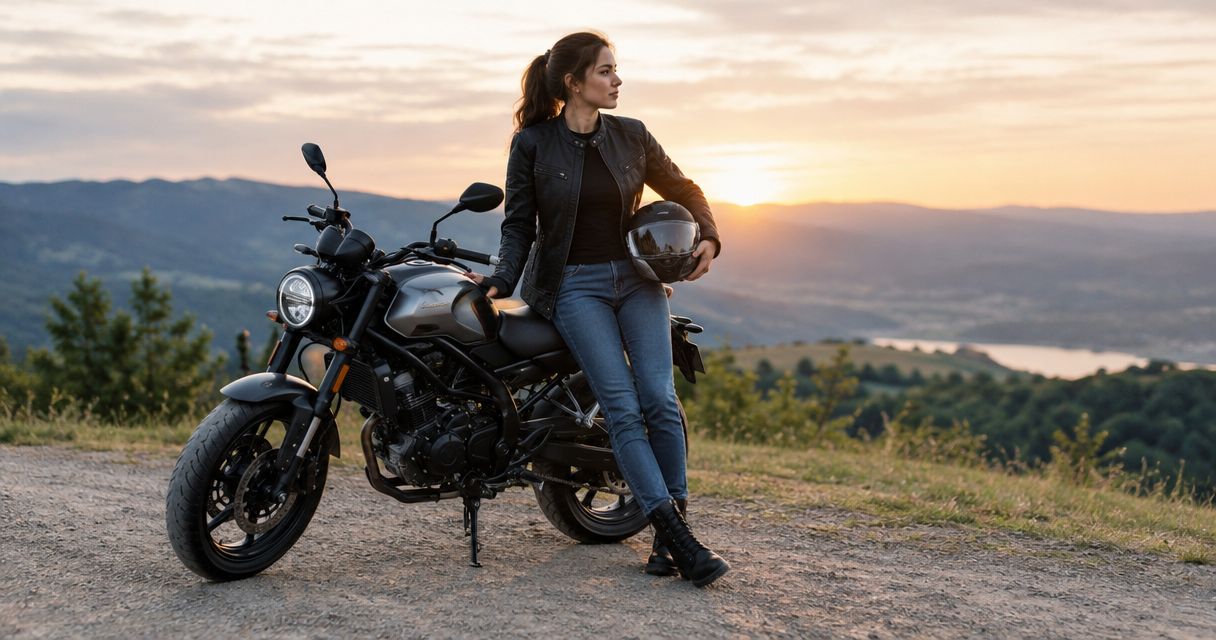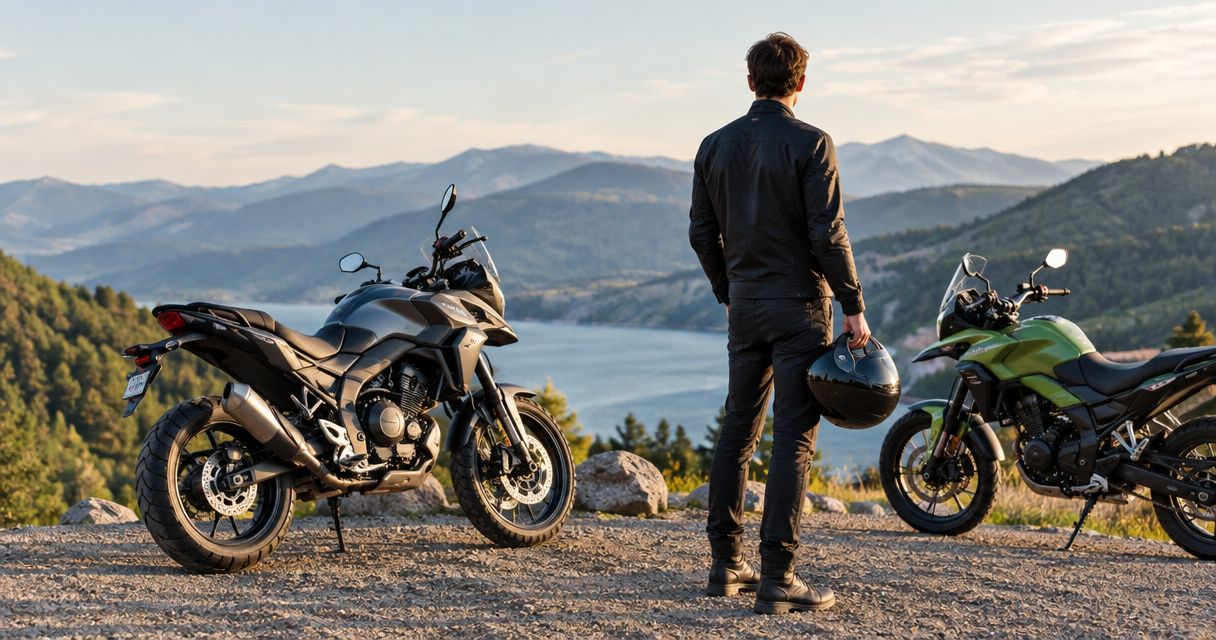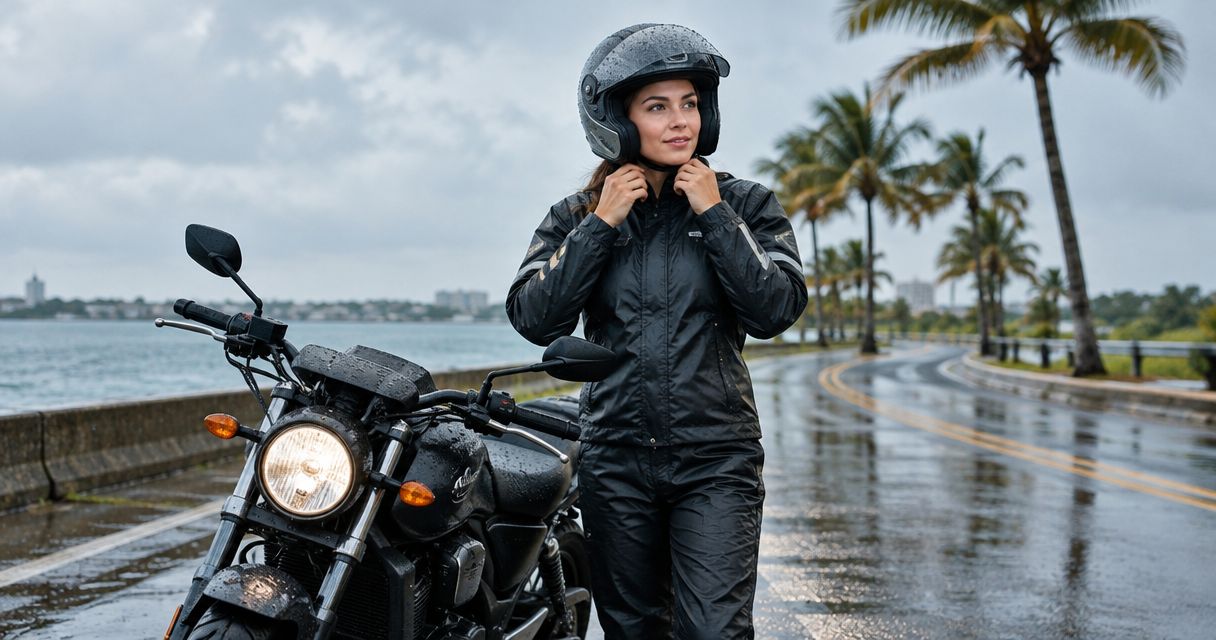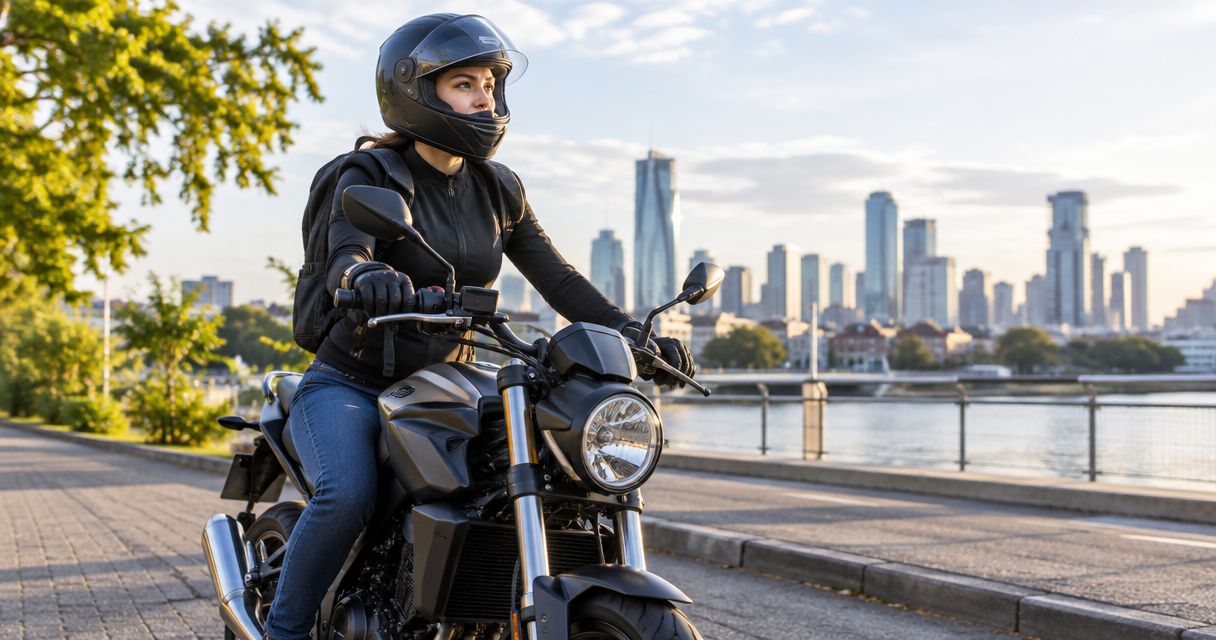
Best overall: Kawasaki Z500 for mixed city and highway commuting. Best for a low seat: Honda Rebel 500. Best for automatic urban riding: Honda PCX. This 2026 guide compares the best commuter motorcycles for new riders by route, riding position, controls, and everyday practicality—not engine size alone.
- The best commuter motorcycles for new riders match the route: Kawasaki Z500 for mixed roads, Honda PCX for urban trips.
- Honda Rebel 500 suits riders prioritizing a low seat; Yamaha MT-03 suits city commuters wanting a manual motorcycle.
- Honda NX500 suits longer commutes when its taller riding position feels manageable.
- Tampa Motorcycle Training provides beginner and returning-rider endorsement classes in Zephyrhills, with a maximum of eight students.
Why your commute matters more than the motorcycle category
A motorcycle that feels easy in a showroom still needs to work at traffic lights, in parking spaces, and on your actual route. Highway stretches demand different compromises from a neighborhood commute with frequent stops.
Tampa Motorcycle Training is best for beginner and returning riders seeking an MSF-certified Basic Rider Course in Zephyrhills. The training motorcycle and online eCourse are included, so you do not need to buy a motorcycle before taking the course. Review the course and registration information at Tampa Motorcycle Training before committing to a commuter bike.
For your 2026 shortlist, separate learning from purchasing. First-time riders need a manageable introduction; returning riders also need an honest check of current control skills rather than a purchase based on past experience.
What makes the best commuter motorcycle for a new rider?
Use these criteria before comparing models:
- Route fit: Match the motorcycle to the roads you actually use, including unavoidable highway sections.
- Stopped confidence: Check your reach to the ground, handlebar position, and ability to move the bike while dismounted.
- Control workload: Decide whether learning clutch operation serves your riding goals or whether an automatic scooter better fits your commute.
- Braking equipment: Check whether the specific motorcycle has ABS. Do not assume every trim or used example includes it.
- Daily practicality: Assess luggage attachment, weather exposure, parking, and security before choosing accessories.
- Ownership condition: For a used motorcycle, service history and mechanical condition matter alongside model reputation.
There is no universal height cutoff for these bikes. Leg length, seat shape, footwear, and balance all affect how a motorcycle feels at a stop.
Best commuter motorcycles at a glance
The table ranks use-case fit, not outright performance. Confirm the exact model year and equipment before you buy; a 2026 buying guide does not mean every example you inspect has identical specifications.
| Motorcycle | Best for | Standout feature | Key limitation |
|---|---|---|---|
| Kawasaki Z500 | Mixed city and highway routes | Upright naked-bike layout with a 451 cc twin | Little standard wind protection |
| Honda Rebel 500 | Riders prioritizing a low seat | Low cruiser seating with a 471 cc twin | Limited weather protection and built-in carrying space |
| Yamaha MT-03 | City commuting with manual controls | Upright riding position and a 321 cc twin | Exposed riding position on longer highway trips |
| Honda PCX | Urban commuting without a clutch | Automatic transmission and under-seat storage | Less suited to sustained highway commuting |
| Honda NX500 | Longer commutes and upright visibility | Windscreen and a 471 cc twin | Taller stance needs a careful fit check |
1. Kawasaki Z500: best commuter motorcycle for mixed routes
The Kawasaki Z500 is an upright, manual-transmission motorcycle powered by a 451 cc parallel-twin engine. Its naked-bike layout makes it a straightforward candidate when your commute combines city streets with highway riding.
The Kawasaki Z500 earns the default recommendation because it avoids committing you to either a cruiser riding position or a taller adventure-style chassis. That does not make it automatically suitable: your ability to manage stops and clutch operation still decides the fit.
Kawasaki Z500 pros:
- Upright handlebars support a less tucked riding position than a sportbike layout.
- Its parallel-twin engine makes it a candidate for mixed-road commuting.
- Conventional manual controls support riders who want to develop clutch and shifting skills.
Kawasaki Z500 cons:
- The standard naked-bike layout provides little shelter from wind.
- Daily bags require a secure carrying arrangement rather than built-in scooter-style storage.
- Clutch operation adds work in repeated stop-start traffic.
Best for: A new or returning rider whose route includes both local roads and highway sections.
Before choosing the Kawasaki Z500, check handlebar reach with your shoulders relaxed. Make sure you can operate the clutch without stretching and move the motorcycle out of a parking space without relying on engine power.
Verdict: Buy if the fit check is comfortable and your route mixes city and highway riding.
2. Honda Rebel 500: best commuter motorcycle for low-seat confidence
The Honda Rebel 500 combines a low cruiser seat with a 471 cc parallel-twin engine and manual transmission. It belongs on your shortlist when reaching the ground comfortably is a central purchase decision.
A low seat helps address stopped confidence, but it does not remove the need for balance or braking skills. Check the whole riding position: seat height alone cannot tell you whether the handlebar and foot-control reach suit your body.
Honda Rebel 500 pros:
- Low seating makes ground reach a useful point of comparison.
- The twin-cylinder engine gives it a role beyond neighborhood-only riding.
- Its cruiser layout offers an alternative to taller upright motorcycles.
Honda Rebel 500 cons:
- The standard configuration leaves you exposed to wind and rain.
- Carrying work equipment requires a separate luggage solution.
- The cruiser riding position will not suit every rider's hips, knees, or back.
Best for: A commuter who prioritizes comfortable ground reach over a taller riding position.
During a fit check, place your feet on the controls rather than judging the Honda Rebel 500 only with both feet down. You need comfort while riding as well as reassurance when stopped.
Verdict: Buy if the low seat solves your fit problem without creating uncomfortable control reach.
3. Yamaha MT-03: best commuter motorcycle for manual city riding
The Yamaha MT-03 uses a 321 cc parallel-twin engine with manual transmission and an upright naked-bike layout. It suits riders who want a conventional motorcycle for local roads rather than an automatic scooter.
Its role here is city-focused manual riding, not a claim that smaller displacement makes mistakes harmless. Smooth clutch release, observation, and controlled braking remain essential on every motorcycle in this comparison.
Yamaha MT-03 pros:
- Upright handlebars avoid a deeply tucked sport-riding position.
- Manual controls suit riders learning conventional motorcycle operation.
- The compact naked-bike format deserves consideration for everyday urban trips.
Yamaha MT-03 cons:
- Little standard wind protection makes longer exposed routes a compromise.
- Work bags need a secure luggage or carrying arrangement.
- Frequent traffic stops still require repeated clutch use.
Best for: A city commuter who wants to learn and retain manual motorcycle skills.
Compare the Yamaha MT-03 with the Kawasaki Z500 while seated, not just on a specification sheet. Handlebar reach, knee angle, and confidence moving the motorcycle matter more than choosing the larger engine by default.
Verdict: Buy for city-focused manual riding; hold if most of your commute is sustained highway travel.
4. Honda PCX: best commuter option for automatic urban travel
The Honda PCX is a scooter with an automatic transmission and under-seat storage. It removes clutch and gear selection from the riding task, making it a distinct option rather than a smaller version of the motorcycles above.
The Honda PCX is the urban alternative in this ranking. Do not choose it for a highway-heavy route simply because the controls look less demanding.
Honda PCX pros:
- Automatic transmission removes manual clutch operation.
- Under-seat storage adds everyday utility without a separate luggage rack.
- Its scooter layout suits riders prioritizing practical local transportation.
Honda PCX cons:
- It is not the default recommendation for sustained highway commuting.
- Riding it does not develop manual clutch and shifting skills.
- Storage shape limits what fits; check your actual bag rather than assuming.
Best for: Local-road commuting when automatic controls and built-in storage outweigh manual-motorcycle goals.
A scooter still requires balance, cornering judgment, observation, and braking practice. For a 2026 purchase, map your route first and check the exact vehicle's road eligibility rather than relying on the word scooter.
Verdict: Buy for suitable urban routes; skip for a commute built around sustained highway riding.
5. Honda NX500: best commuter motorcycle for longer upright trips
The Honda NX500 combines a 471 cc parallel-twin engine with an upright adventure-style layout and a windscreen. It deserves consideration when longer paved commutes make wind exposure a bigger concern.
Its taller stance creates a real trade-off. Extra wind protection does not compensate for feeling unable to manage the motorcycle at awkward stops or while parking.
Honda NX500 pros:
- A windscreen provides more front-facing wind shelter than an unfaired motorcycle.
- Upright ergonomics offer an alternative to cruiser seating.
- Its twin-cylinder engine makes it a candidate for mixed local and highway routes.
Honda NX500 cons:
- Taller seating requires a careful ground-reach assessment.
- Parking and dismounted movement deserve attention before purchase.
- Adventure styling is not evidence that a new rider is ready for unpaved terrain.
Best for: A rider comfortable with a taller motorcycle who prioritizes an upright position and wind protection.
Check the Honda NX500 on level ground and consider the parking conditions you face at home and work. A sloped driveway is part of the ownership decision, not an issue to discover after purchase.
Verdict: Buy only after confirming stopped confidence; hold if its height makes routine parking stressful.
How these motorcycles are ranked
The order follows route fit, stopped confidence, control workload, braking equipment, and daily practicality. These are use-case recommendations, not a claim of instrumented testing or a ranking of every motorcycle on sale.
The Kawasaki Z500 takes the default mixed-route slot. The other choices answer different needs: low seating, manual city riding, automatic urban travel, or a taller position with a windscreen. Condition and fit can overturn any model-level recommendation.
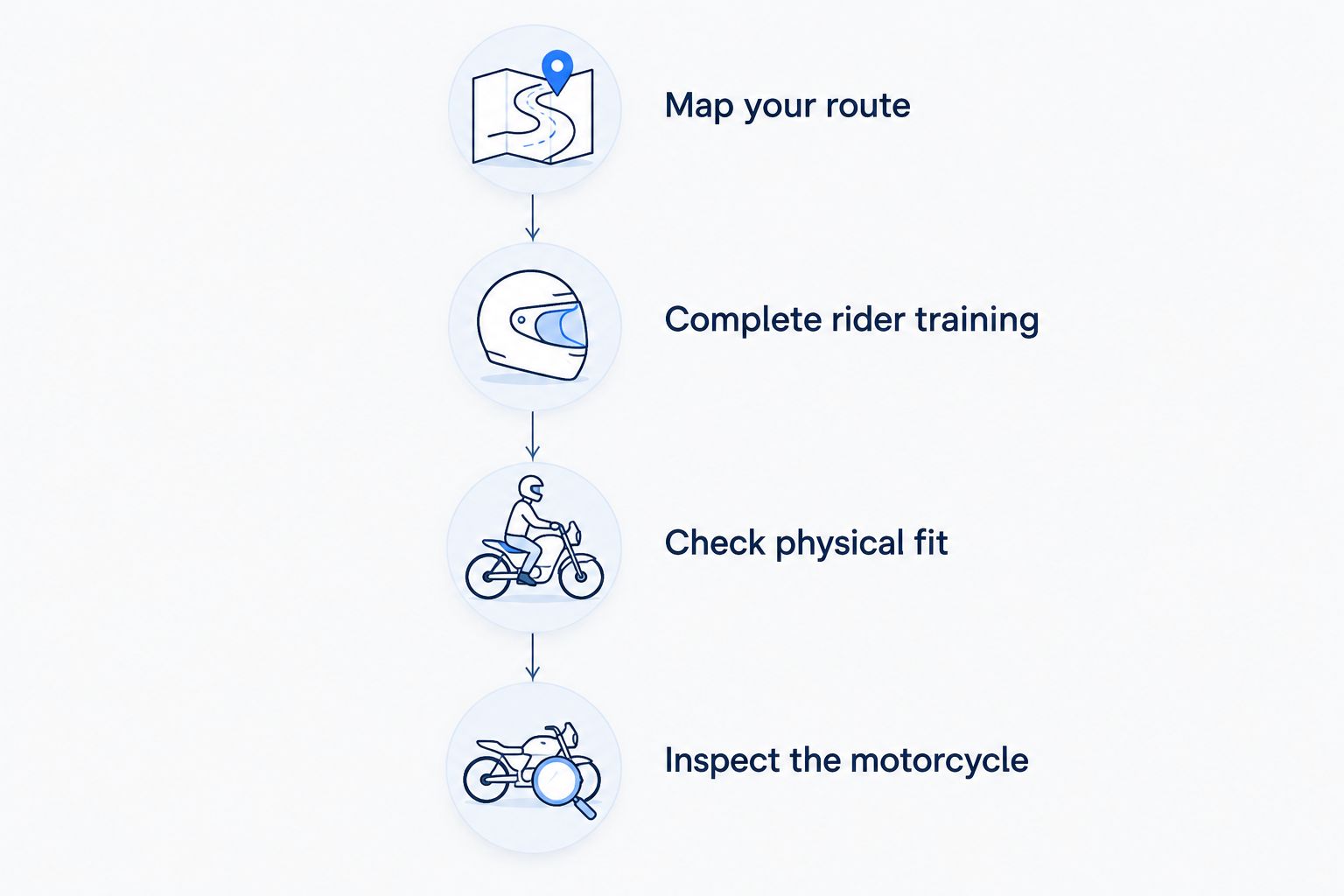
Before buying: follow this decision sequence
For your 2026 purchase, use this order instead of starting with accessories or engine size:
- Map your route: Identify highway sections, repeated stops, parking surfaces, and a local-road alternative.
- Complete rider training: Build or refresh basic control skills before committing to a motorcycle.
- Check physical fit: Assess ground reach, controls, riding posture, and dismounted movement.
- Inspect the motorcycle: Confirm condition, service history, equipment, and luggage needs.
This sequence separates training needs from shopping preferences. It also gives returning riders a way to reassess current confidence without assuming previous experience still matches present ability.
Tampa Motorcycle Training serves first-time and returning riders throughout Tampa Bay, including Wesley Chapel and nearby Pasco County. All in-person training takes place in Zephyrhills, with patient coaching, a maximum of eight students, and no motorcycle or prior experience required.
Passing the course and adding the endorsement at a driver license office are separate steps. Do not treat a course booking—or completion without passing—as authorization to ride on public roads.
Plan your Basic Rider Course
Train in Zephyrhills with a maximum of eight students. Training motorcycle and online eCourse included.
Which commuter motorcycle should you choose?
Start with the Kawasaki Z500 if you need one shortlist default for mixed roads. Choose the Honda Rebel 500 when low seating matters most, the Yamaha MT-03 for manual city riding, the Honda PCX for automatic urban trips, or the Honda NX500 when its taller fit and windscreen suit longer journeys.
For 2026, make the final decision with your route, riding gear, and current skills in mind. No recommendation overrides an uncomfortable fit or a motorcycle in poor condition.
FAQ
What's the best commuter motorcycle for a new rider?
The Kawasaki Z500 is this guide's default for mixed city and highway commuting. The Honda Rebel 500, Yamaha MT-03, Honda PCX, and Honda NX500 serve different fit and route needs.
Is the Honda Rebel 500 better than the Kawasaki Z500 for beginners?
The Honda Rebel 500 is the stronger fit-based choice when a low seat is your priority. Compare control reach and riding posture before choosing it over the Kawasaki Z500.
Is an automatic scooter easier for commuting?
An automatic scooter removes clutch operation and gear selection from the commute. The Honda PCX suits urban travel, but automatic controls do not replace braking, observation, or cornering skills.
Should I buy a motorcycle before taking the Basic Rider Course?
You do not need to buy a motorcycle before attending Tampa Motorcycle Training. The training motorcycle and online eCourse are included, and no prior riding experience is required.
Can a returning rider use the same commuter shortlist?
Yes, a returning rider can use the same route-and-fit shortlist. Assess current balance, braking, clutch control, and confidence rather than relying only on past riding experience.
Where does the in-person motorcycle training take place?
All in-person training takes place in Zephyrhills, Florida. Riders from Tampa, Wesley Chapel, and elsewhere in Tampa Bay travel to Zephyrhills for the training.
Does passing the course automatically add my Florida motorcycle endorsement?
No, passing the course and adding the endorsement are separate steps. Complete the applicable driver license office process before treating your license as endorsed.
One last thing
Check the parking problem before the highway problem. Before buying, ask to move the motorcycle by hand with permission and assistance as needed. A bike that feels manageable seated can still be awkward to reverse out of your everyday parking space.